Gemstones
Hardness and toughness are different properties, and confusing them is the commonest mistake in buying advice. Mohs measures scratch resistance only; toughness measures resistance to chipping and breaking. Both are shown separately below, because a hardness-10 stone can still chip and a 7.5 stone can still be a poor daily ring.
72 entries
All cited
SortedA–Z
| Name | Mohs hardness | Toughness | Stability | Refractive index | Specific gravity | Crystal system | Suitability for daily wear |
|---|---|---|---|---|---|---|---|
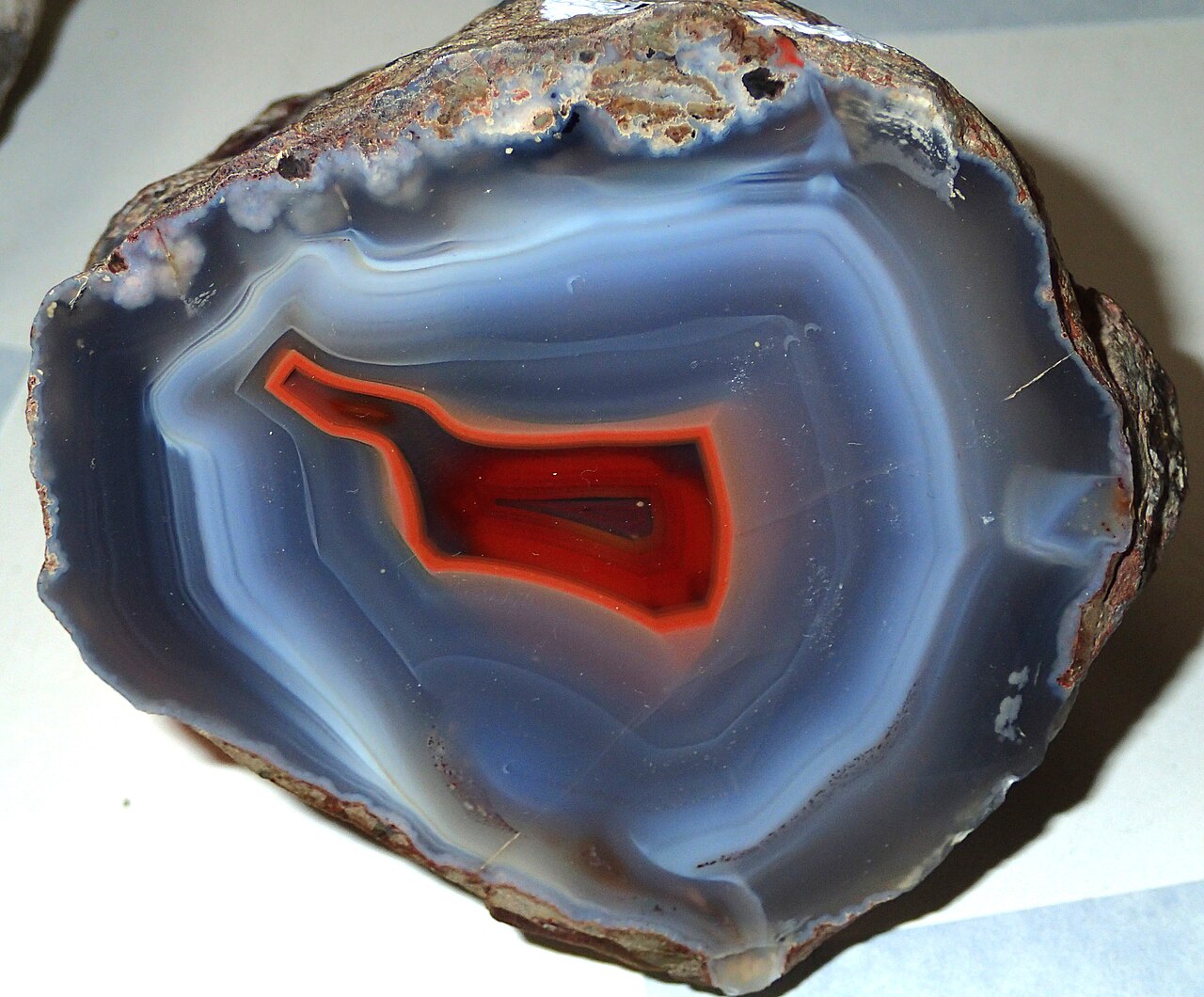 Agate Agate | 7 | — | — | — | 2.55–2.91 | Hexagonal (trigonal), microcrystalline | — |
| Alexandrite | 8½ | — | — | — | — | Orthorhombic | — |
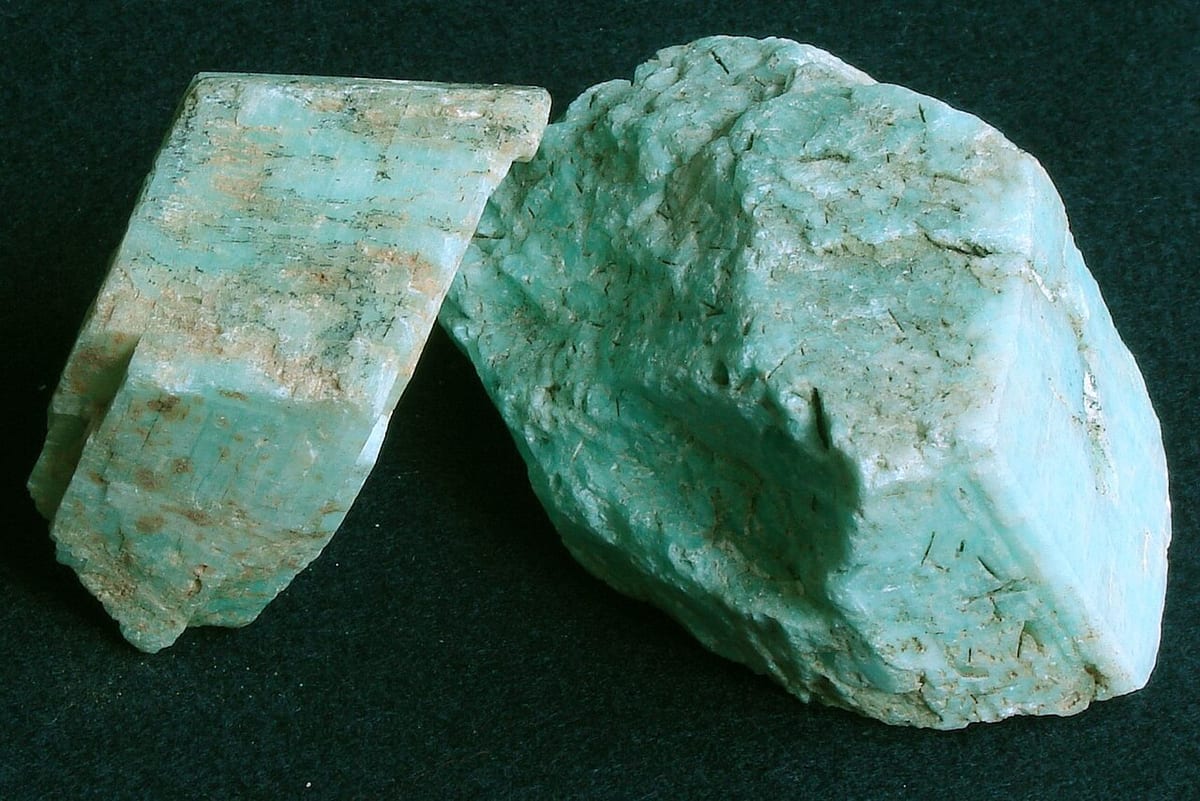 Amazonite Amazonite | 6–6½ | — | — | 1.522–1.530 | 2.56–2.58 | Triclinic | — |
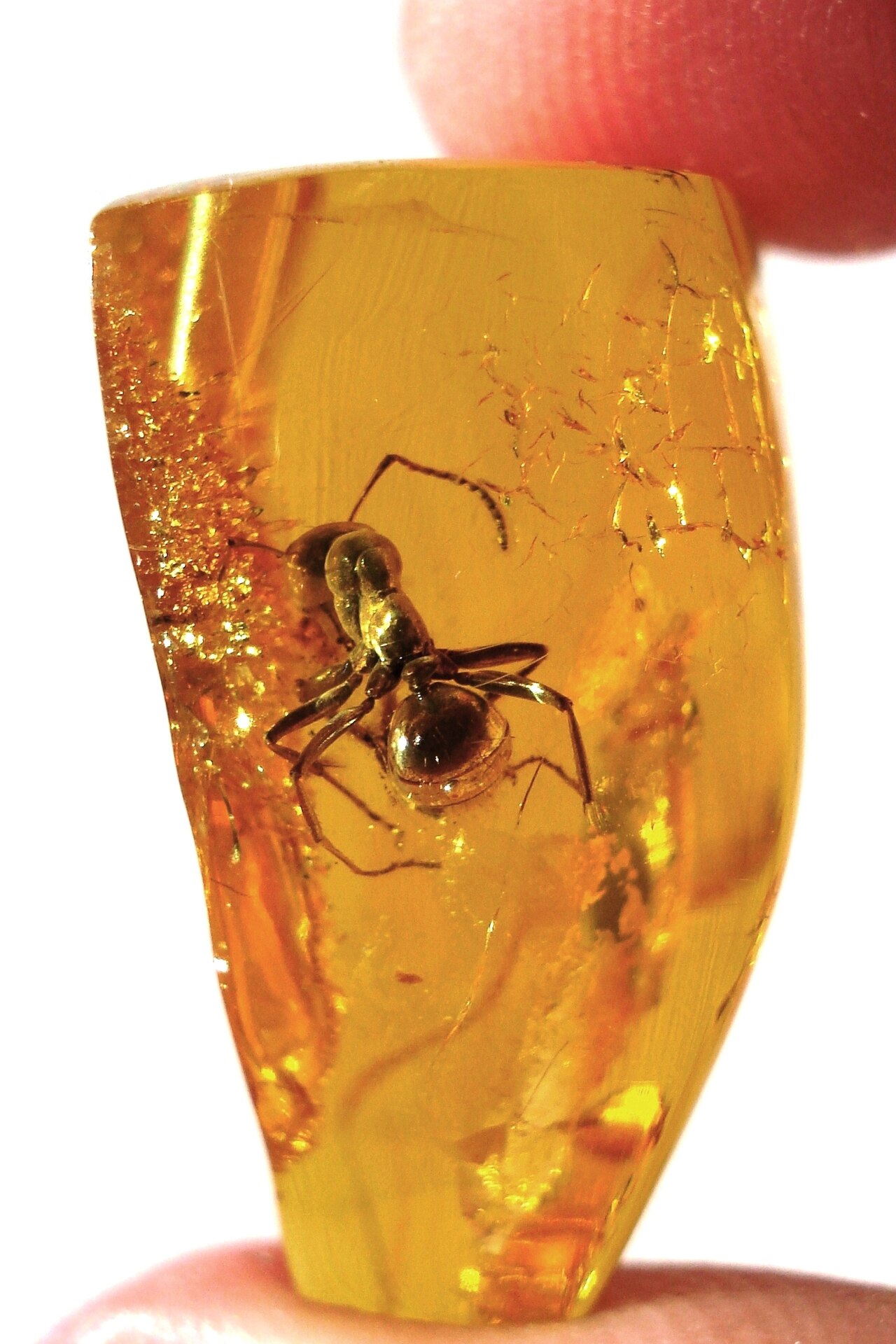 Amber Amber | — | — | — | 1.539–1.545 | 1.05–1.09 | — | — |
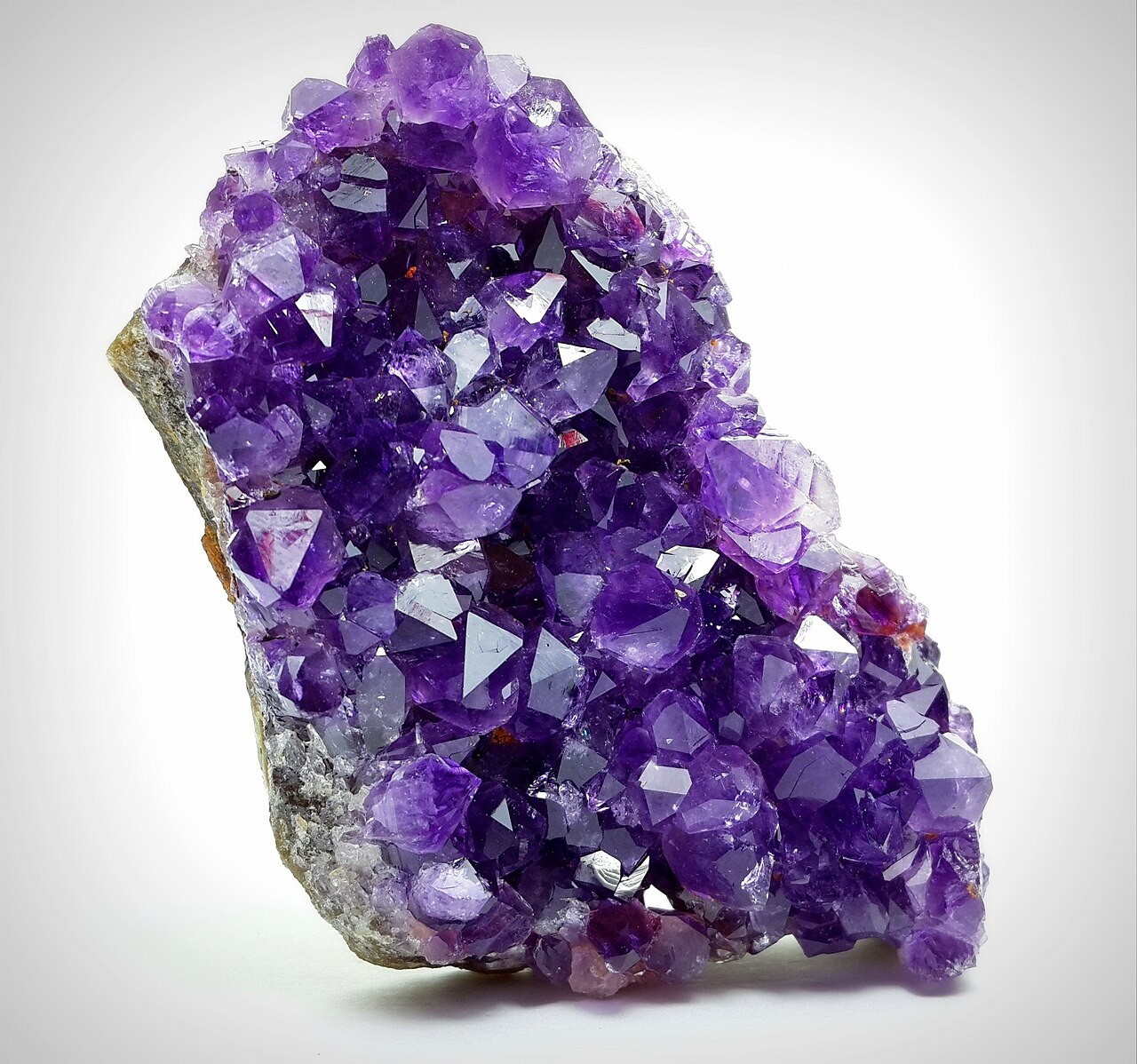 Amethyst Amethyst | 7 | — | — | — | — | Trigonal | — |
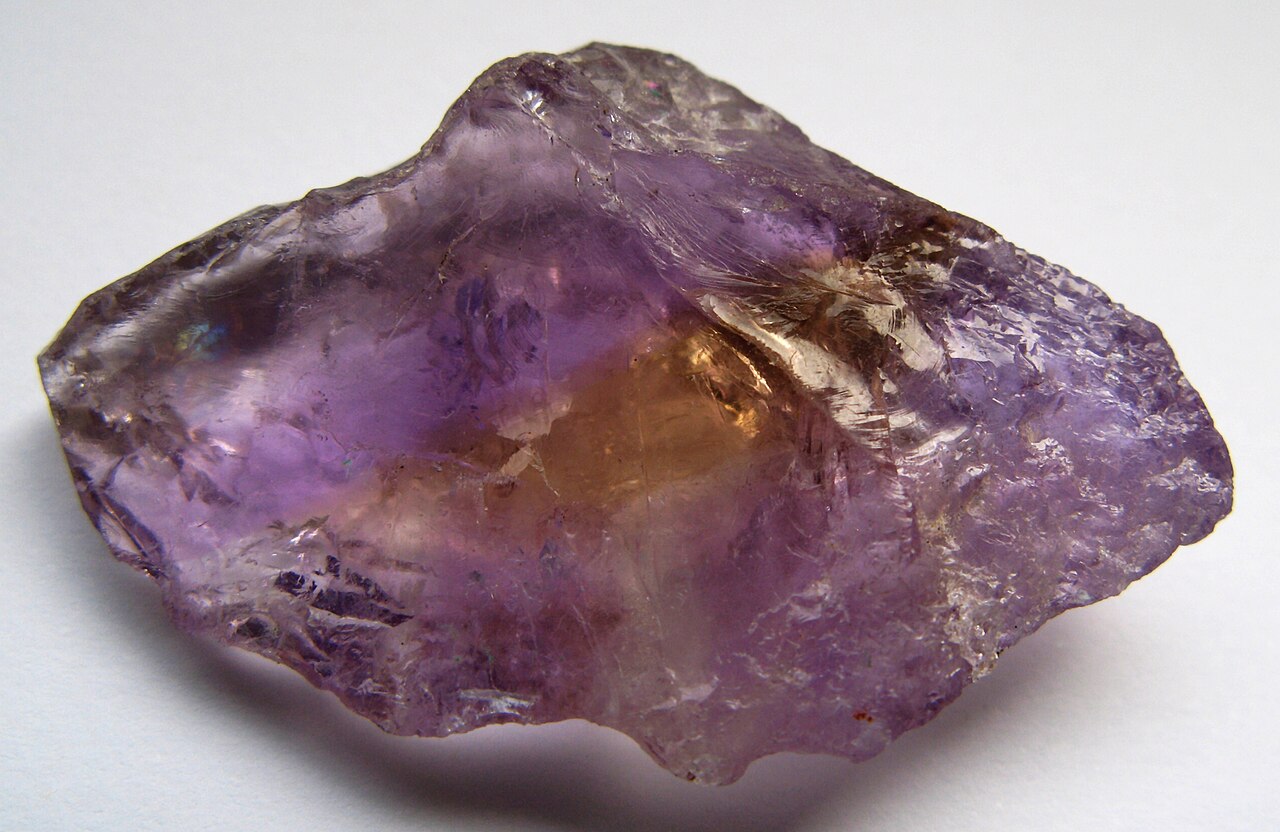 Ametrine Ametrine | 7 | — | — | — | 2.651 | Hexagonal (trigonal) | Very good, per IGS, and not heat-sensitive. At Mohs 7 it is fine for everyday … |
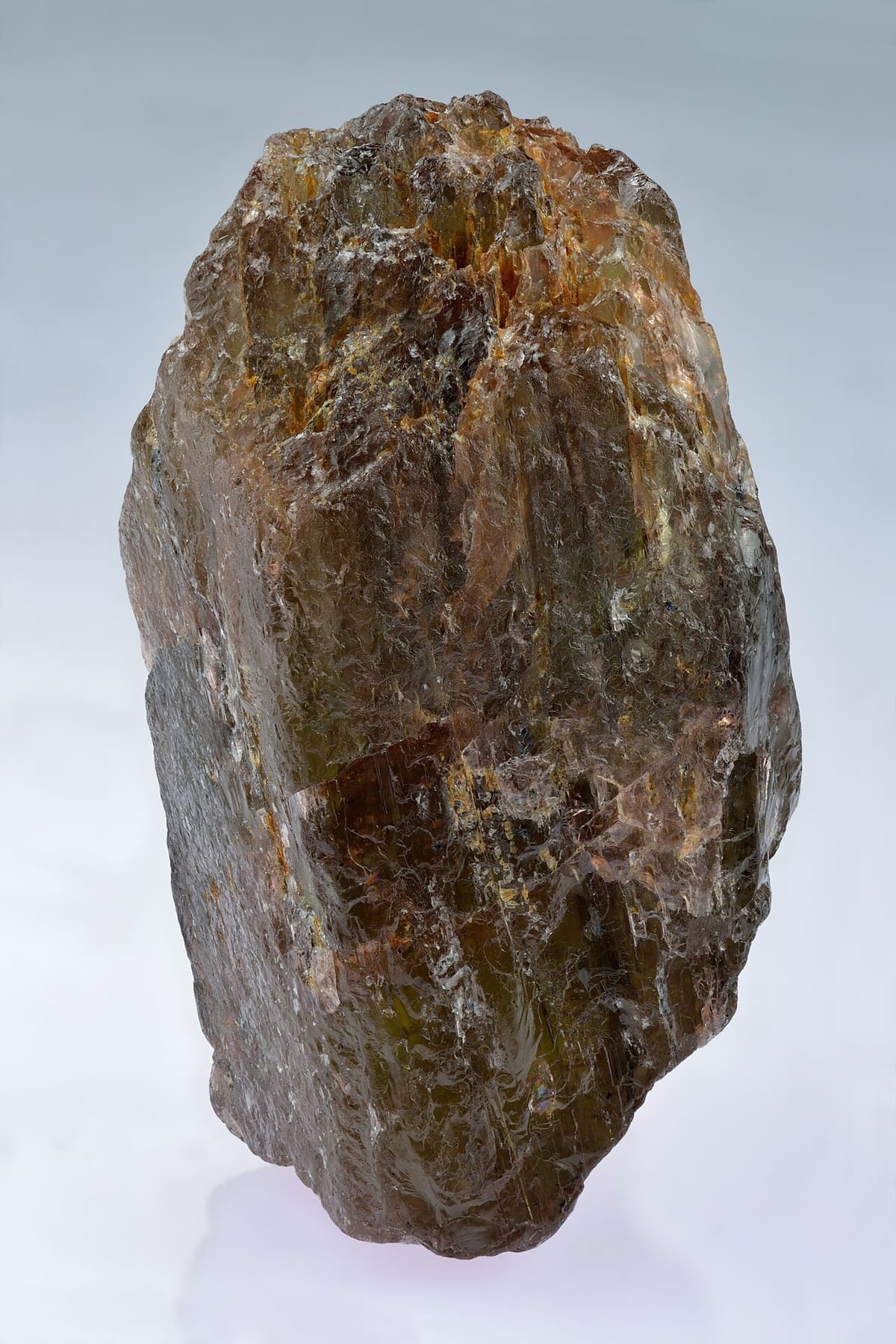 Andalusite Andalusite | 7½ | — | — | 1.627–1.649 | 3.05–3.20 | Orthorhombic | — |
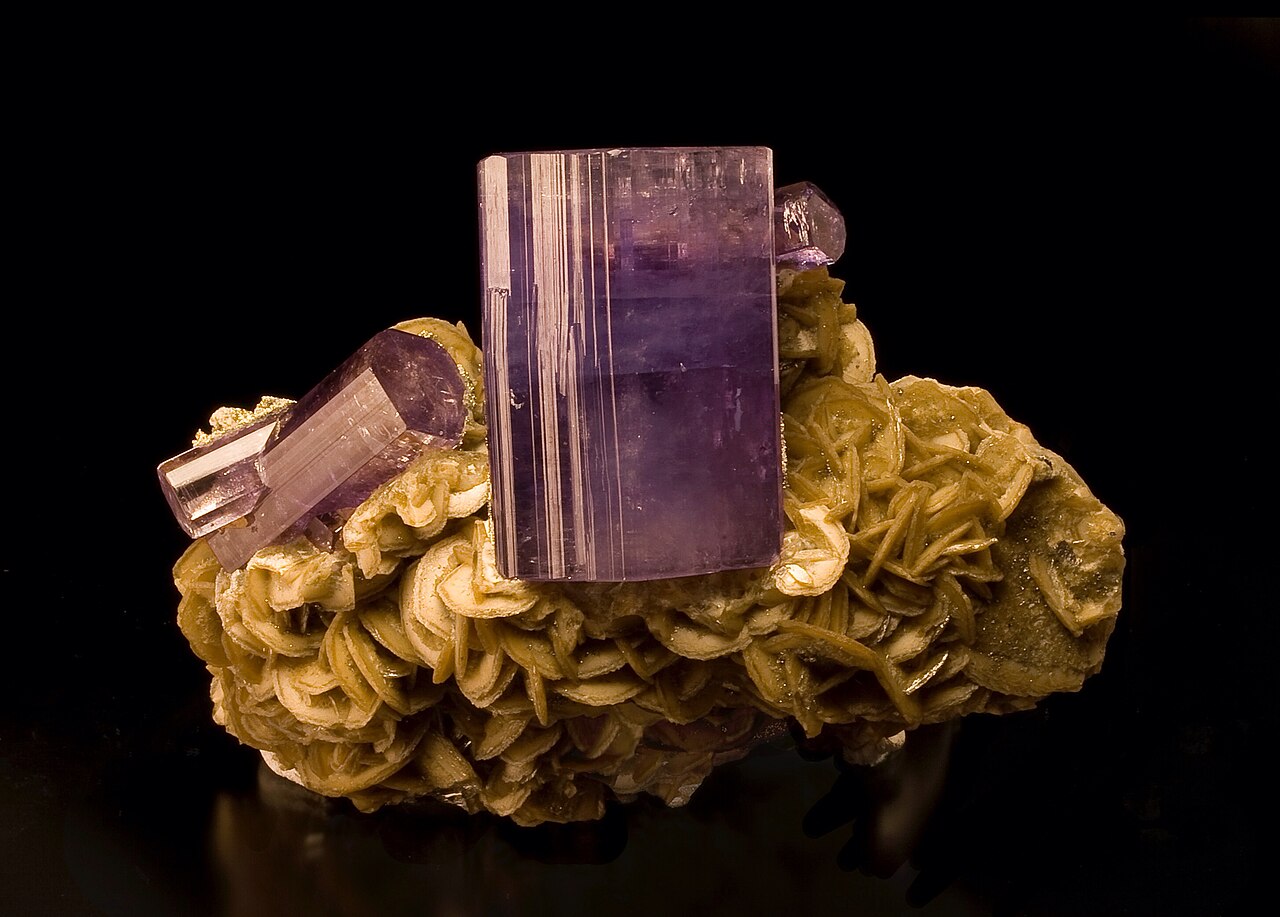 Apatite Apatite | 5 | — | — | 1.628–1.649 | 3.16–3.23 | Hexagonal | — |
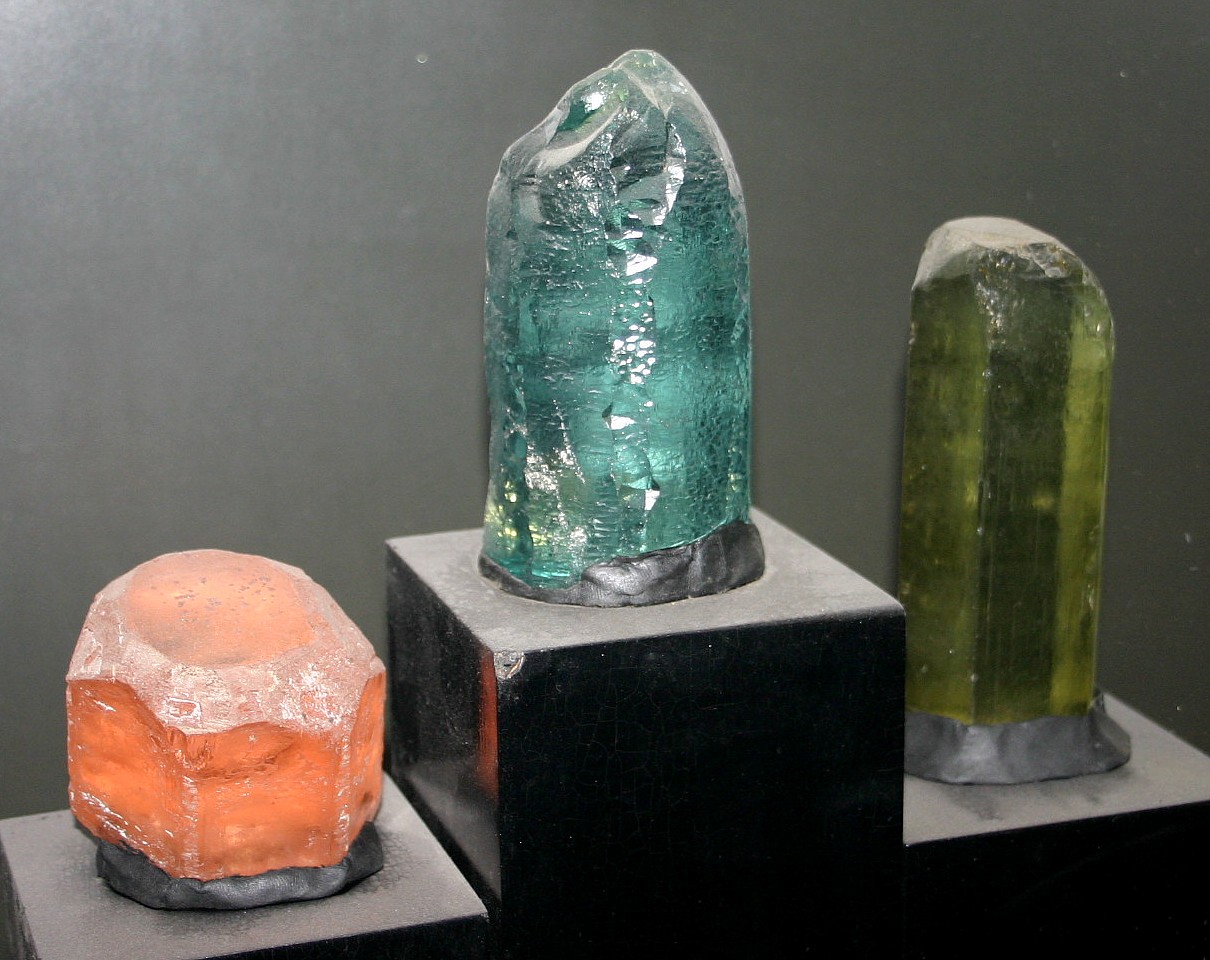 Aquamarine Aquamarine | 7½–8 | — | — | — | 2.68–2.74 | Hexagonal | — |
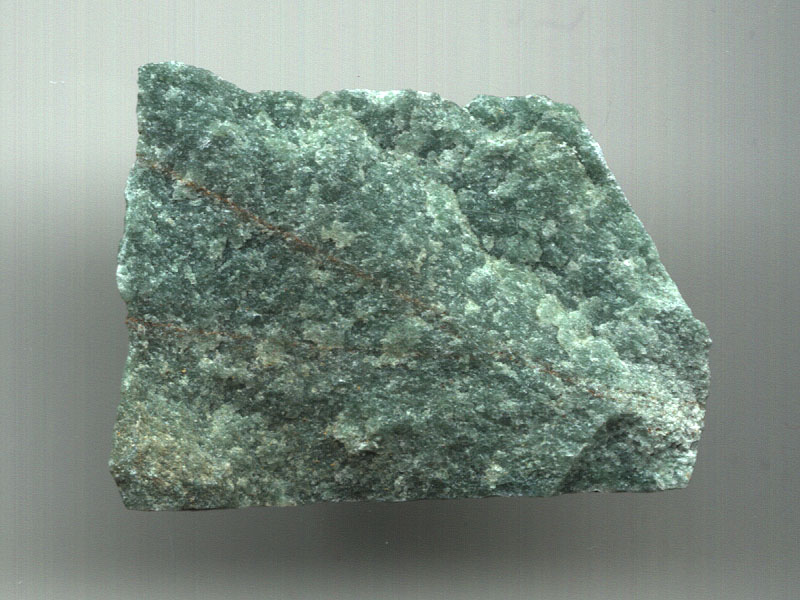 Aventurine Aventurine | 7 | — | — | — | 2.64–2.69 | Trigonal | — |
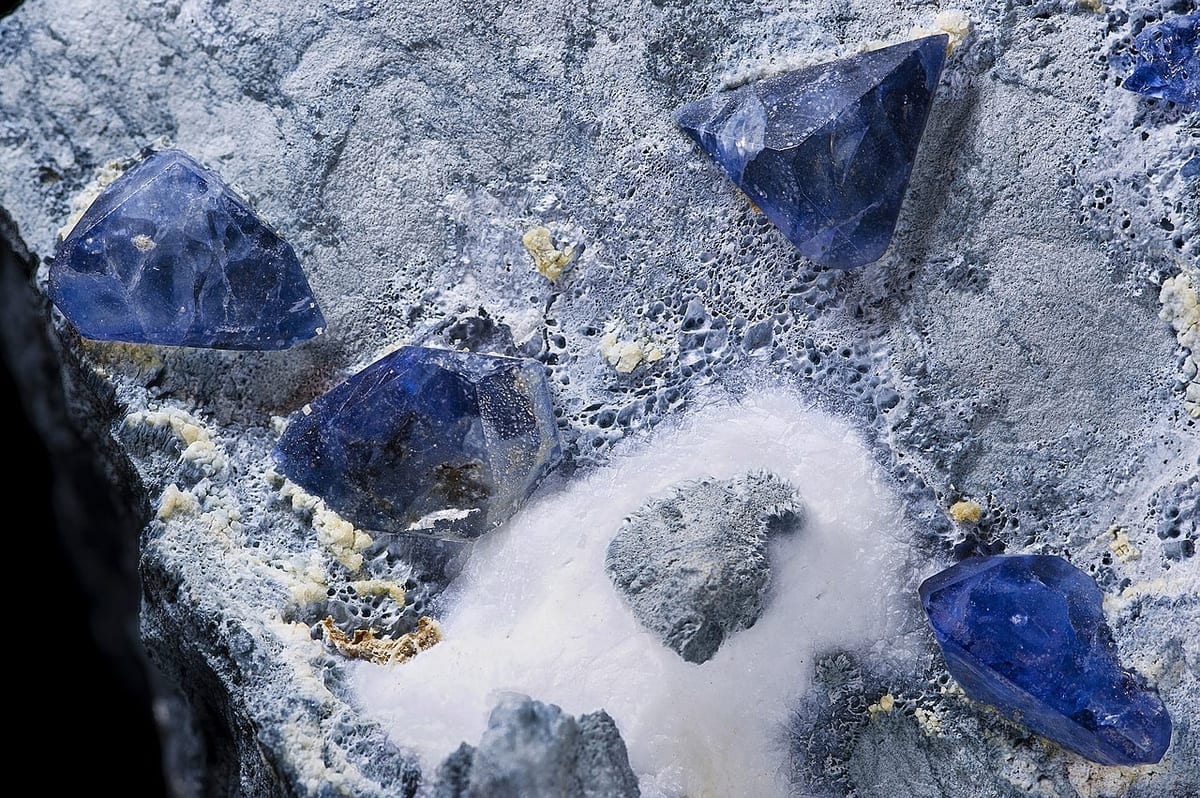 Benitoite Benitoite | 6–6½ | — | — | 1.757–1.804 | 3.64–3.68 | Hexagonal | — |
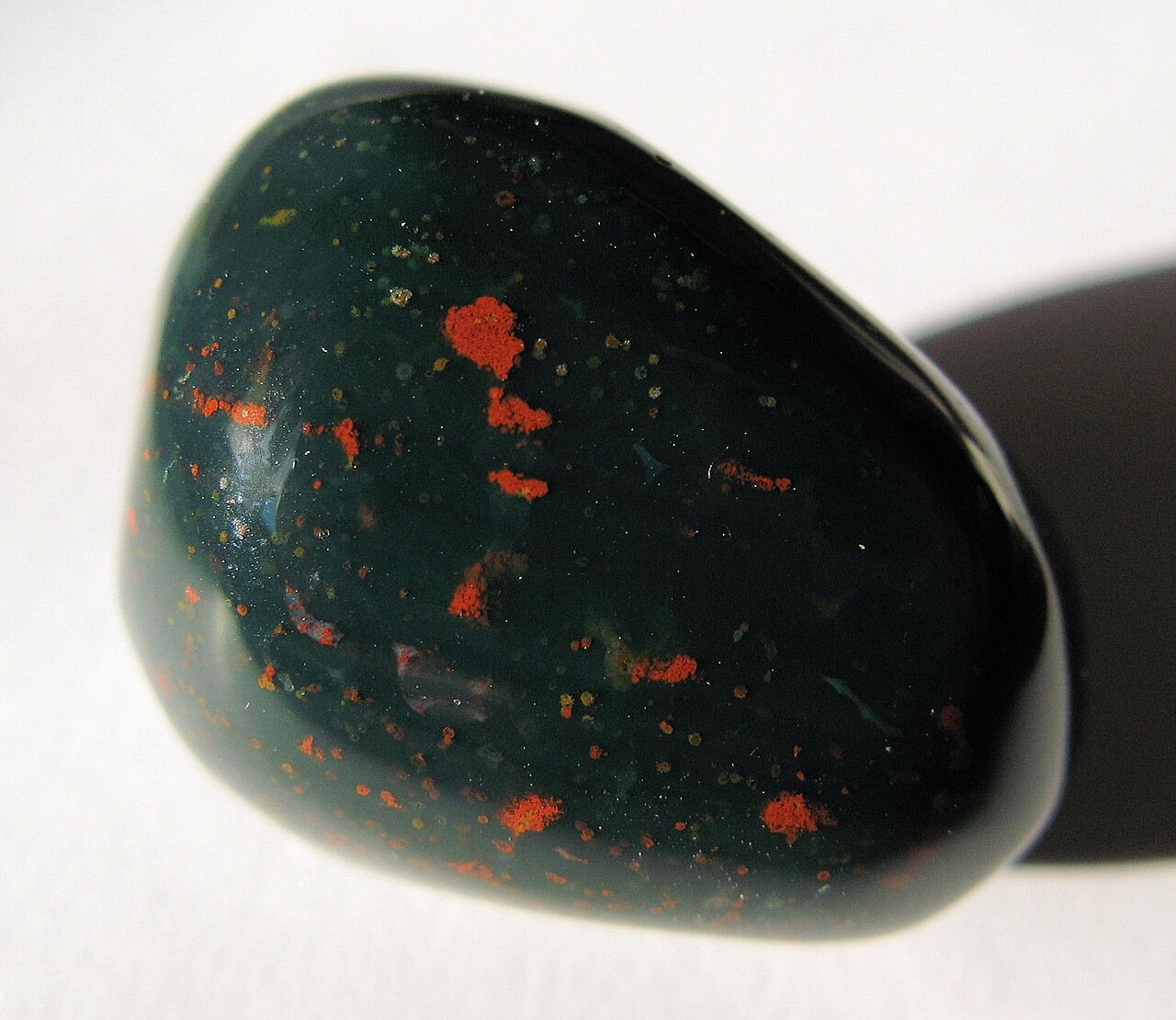 Bloodstone Bloodstone | 7 | — | — | — | 2.55–2.91 | Hexagonal (trigonal), microcrystalline | — |
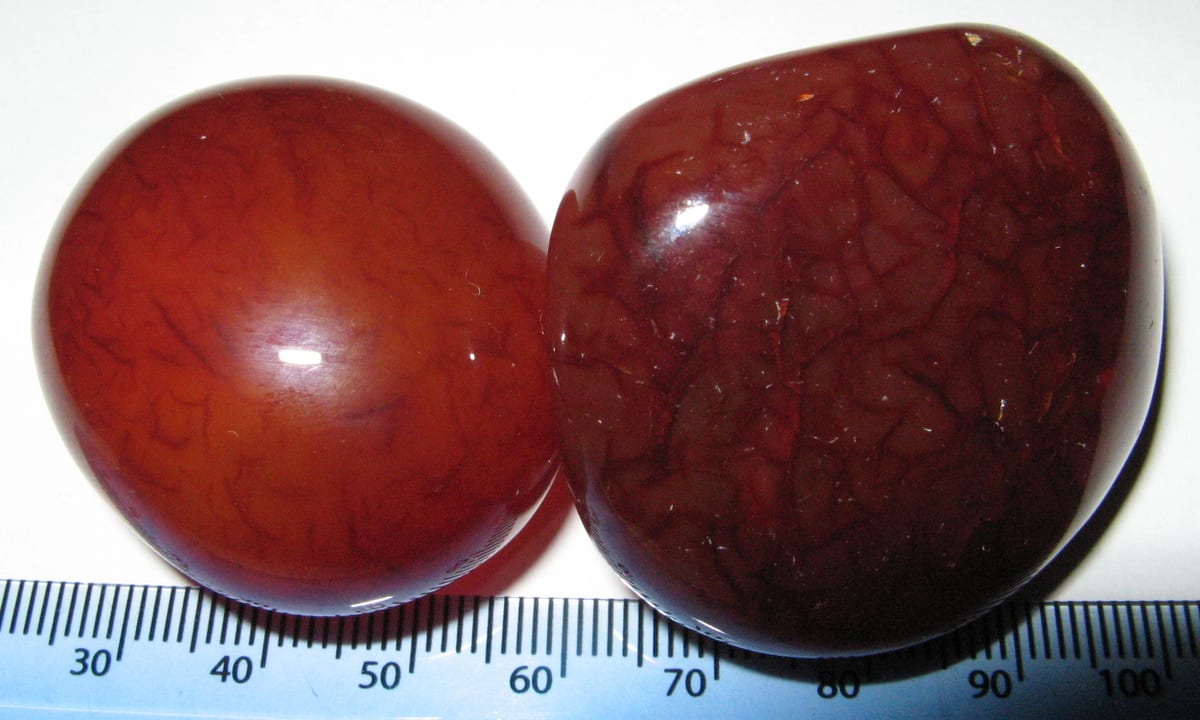 Carnelian Carnelian | 7 | — | — | — | 2.55–2.91 | Hexagonal (trigonal), microcrystalline | — |
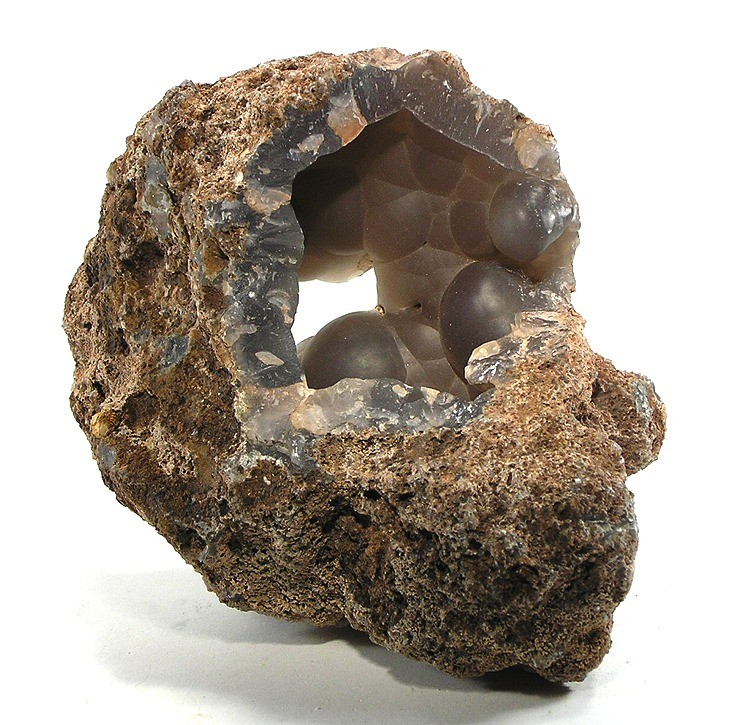 Chalcedony Chalcedony | 6½–7 | — | — | 1.530–1.540 | 2.58–2.64 | Hexagonal | — |
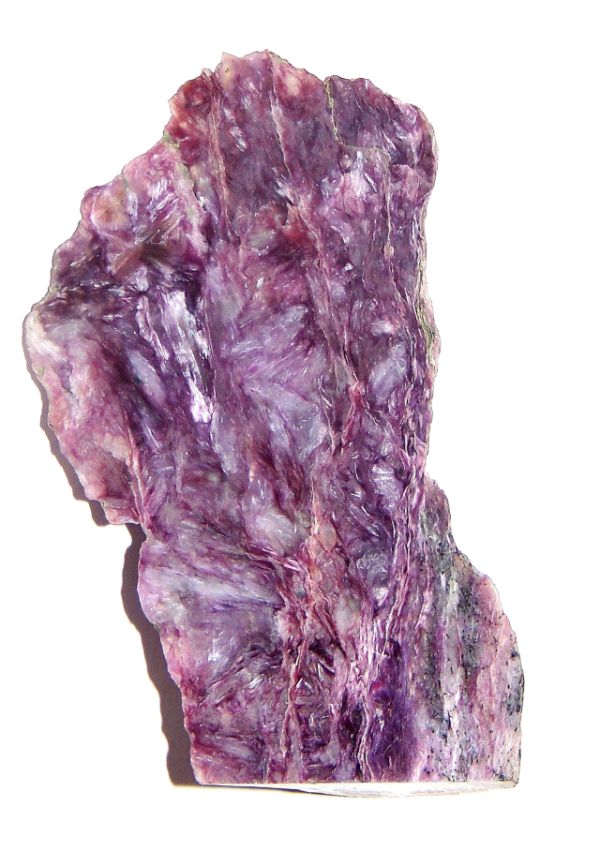 Charoite Charoite | 5–6 | — | — | — | 2.54–2.78 | Monoclinic; crystals thin and fibrous | Good, per IGS — but at Mohs 5–6 it still sits below quartz, so an everyday rin… |
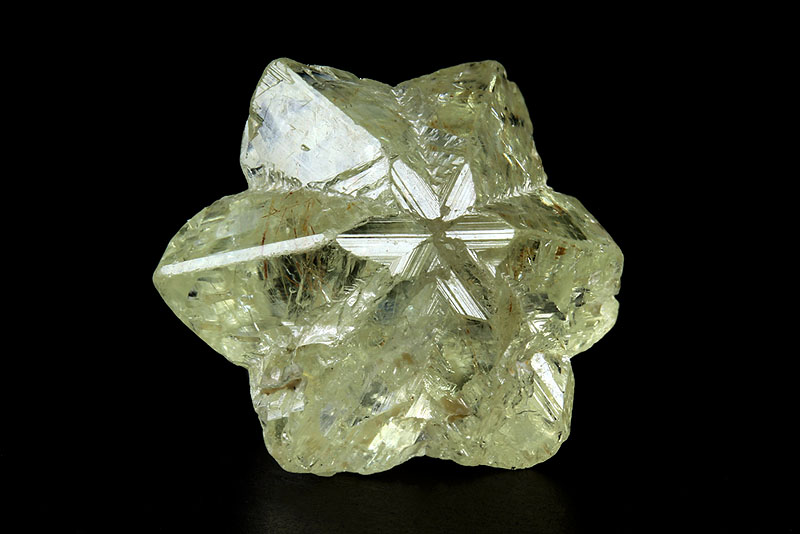 Chrysoberyl Chrysoberyl | 8½ | — | — | 1.746–1.763 | — | Orthorhombic | — |
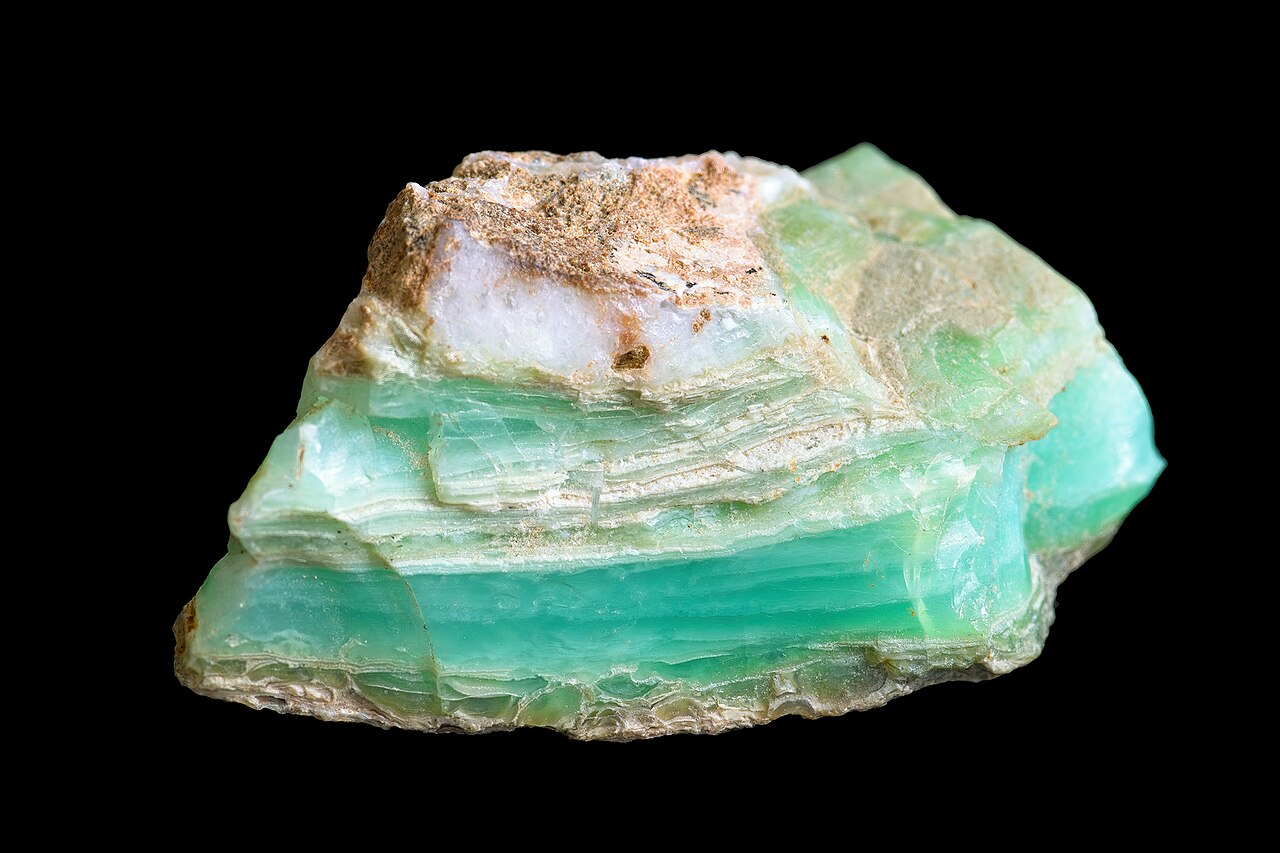 Chrysoprase Chrysoprase | 7 | — | — | — | 2.55–2.91 | Hexagonal (trigonal), microcrystalline | — |
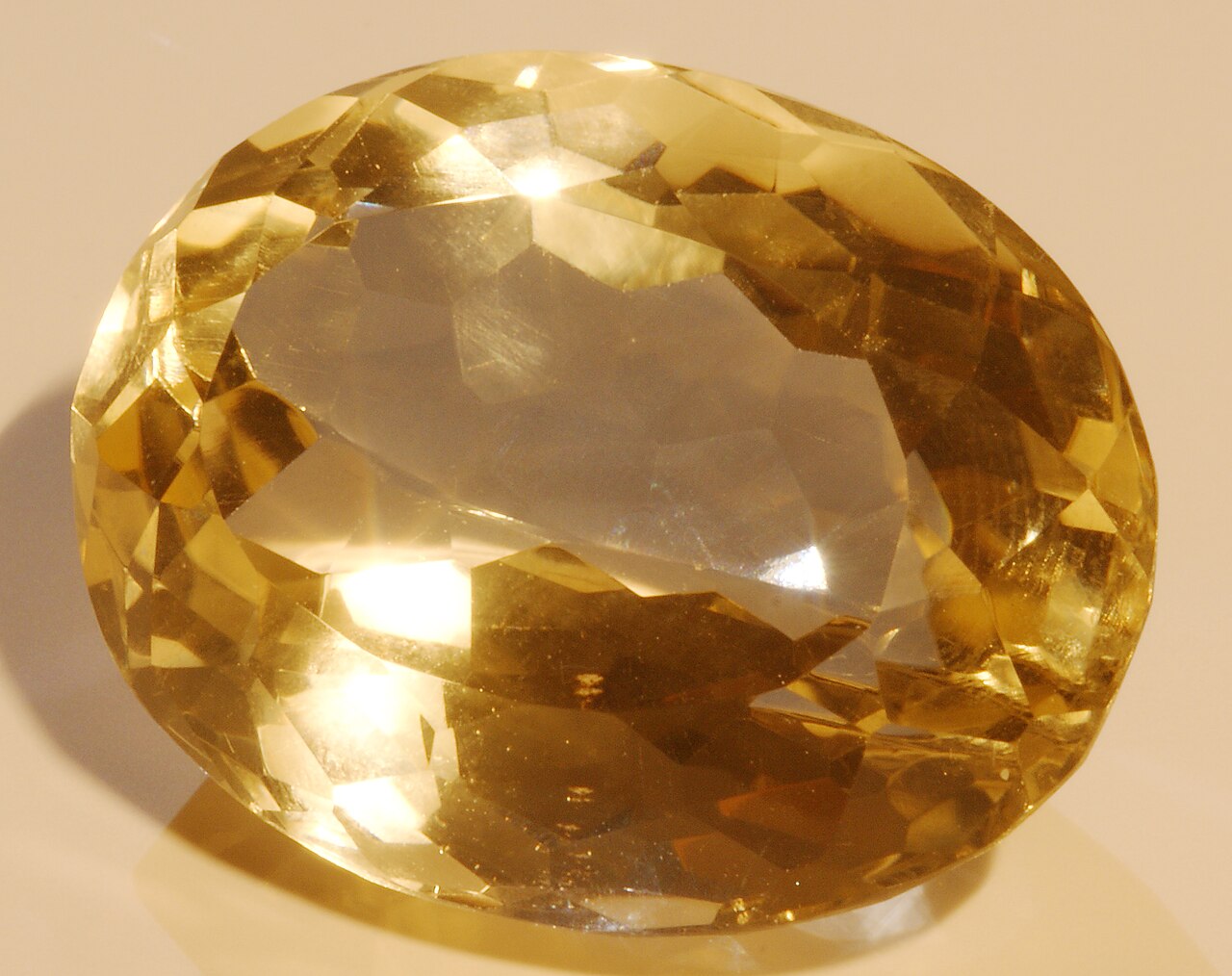 Citrine Citrine | 7 | — | — | — | — | Trigonal | — |
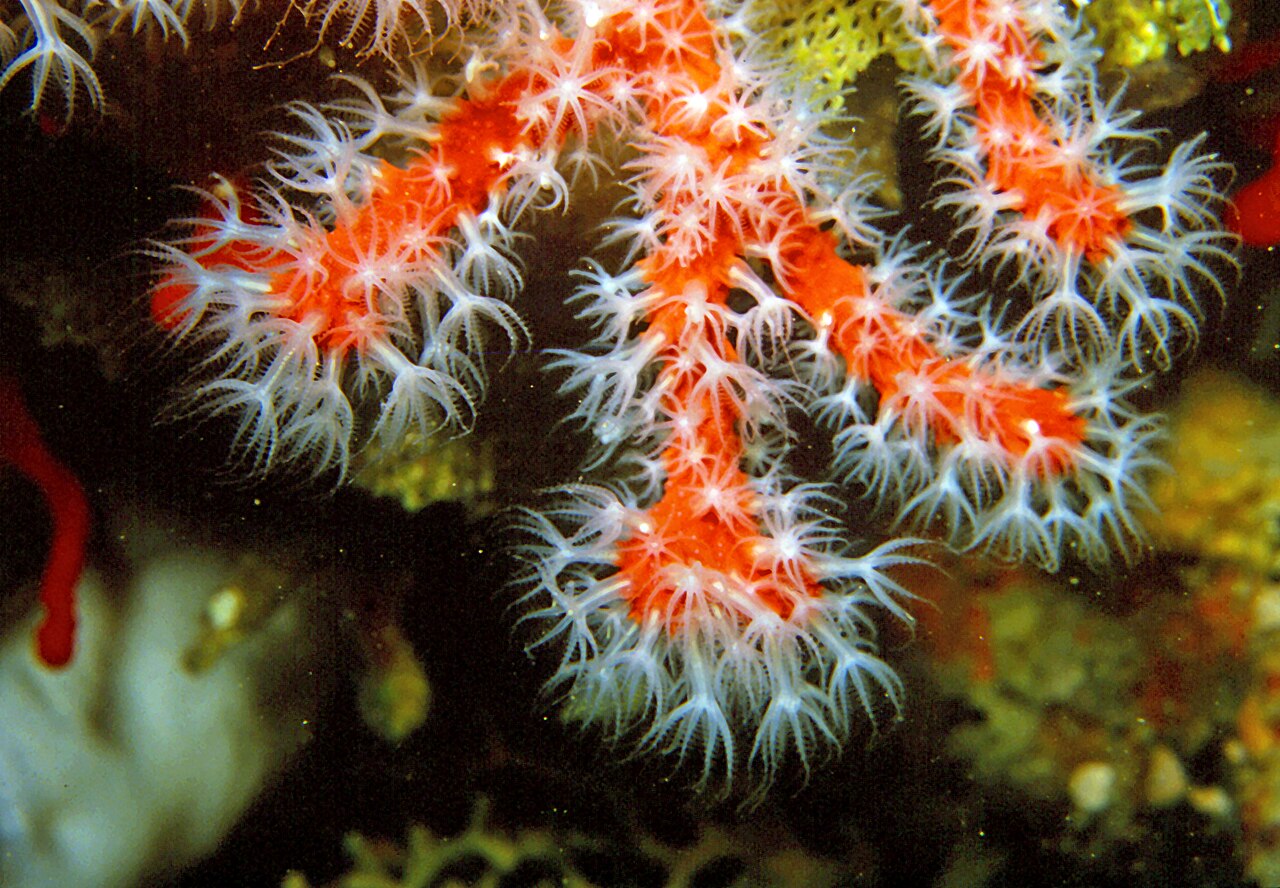 Coral Coral | — | — | — | 1.486–1.658 | 2.60–2.70 | — | — |
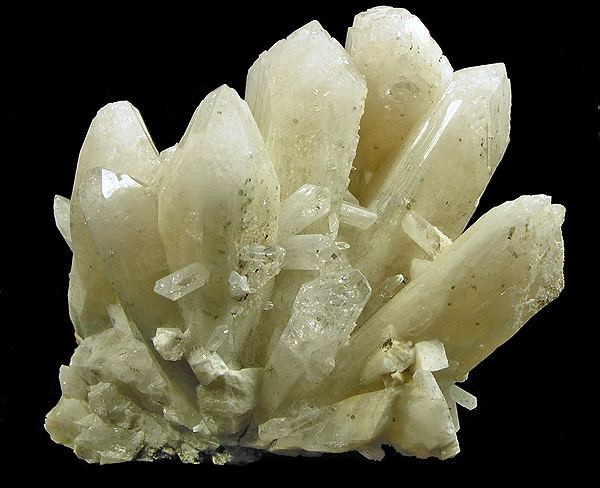 Danburite Danburite | 7–7½ | — | — | 1.630–1.636 | 2.97–3.03 | Orthorhombic | — |
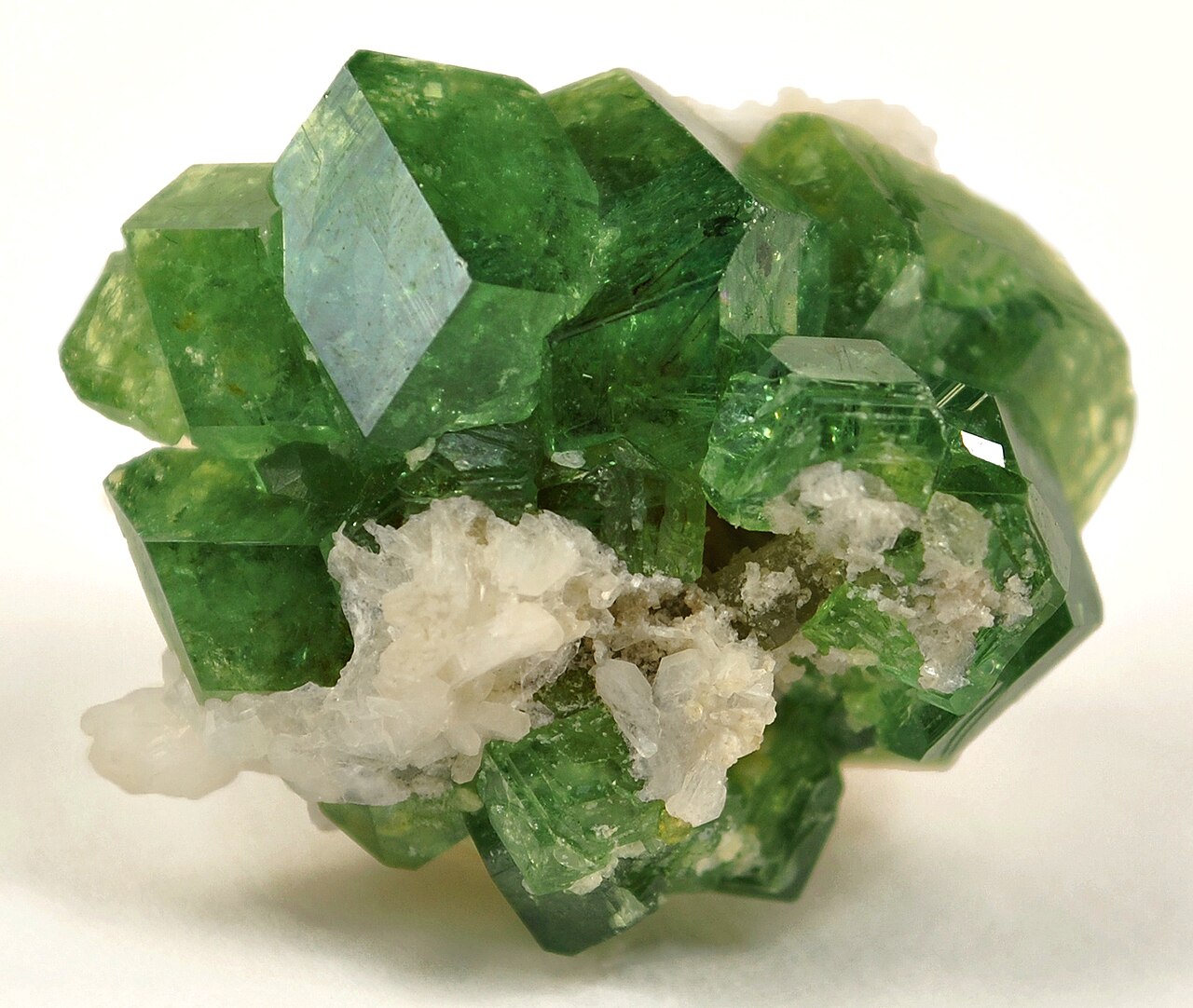 Demantoid Demantoid | 6½–7 | — | — | — | 3.8–3.9 | Cubic | Good, and no cleavage — but it is a stone usually bought as a collector’s piec… |
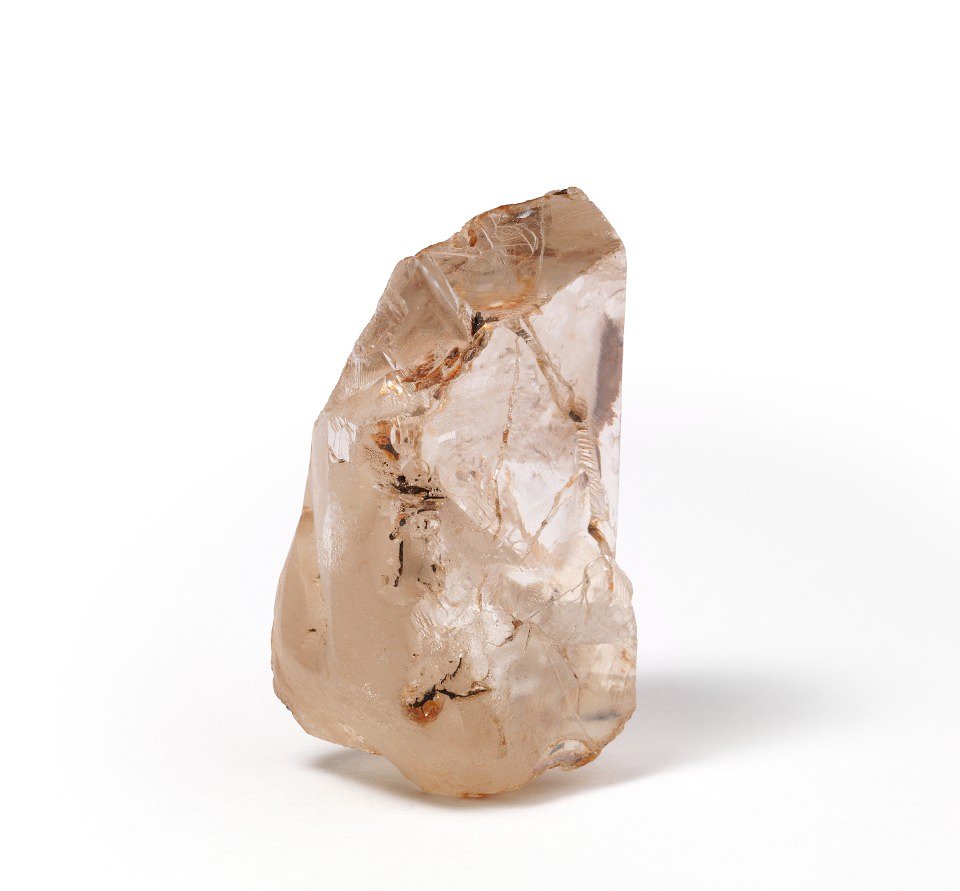 Diamond Diamond | 10 — the hardest gemstone | Not the toughest despite being the hardest. GIA: while they resist scratching … | — | 2.417–2.419 | 3.50–3.53 | Cubic | Excellent for daily wear on the hardness axis. Chipping remains possible at th… |
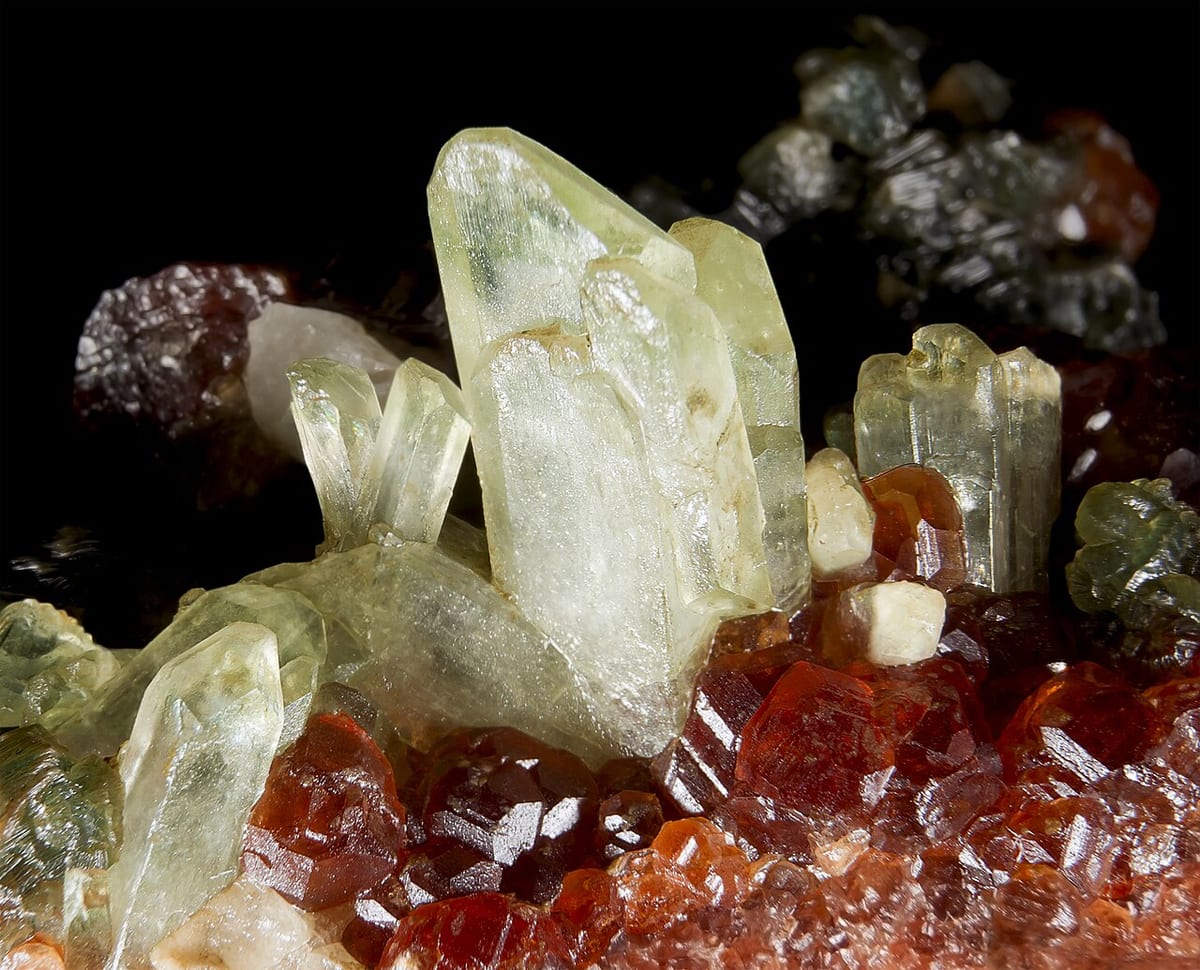 Diopside Diopside | 5–6 | — | — | 1.664–1.730 | 3.22–3.38 | Monoclinic | — |
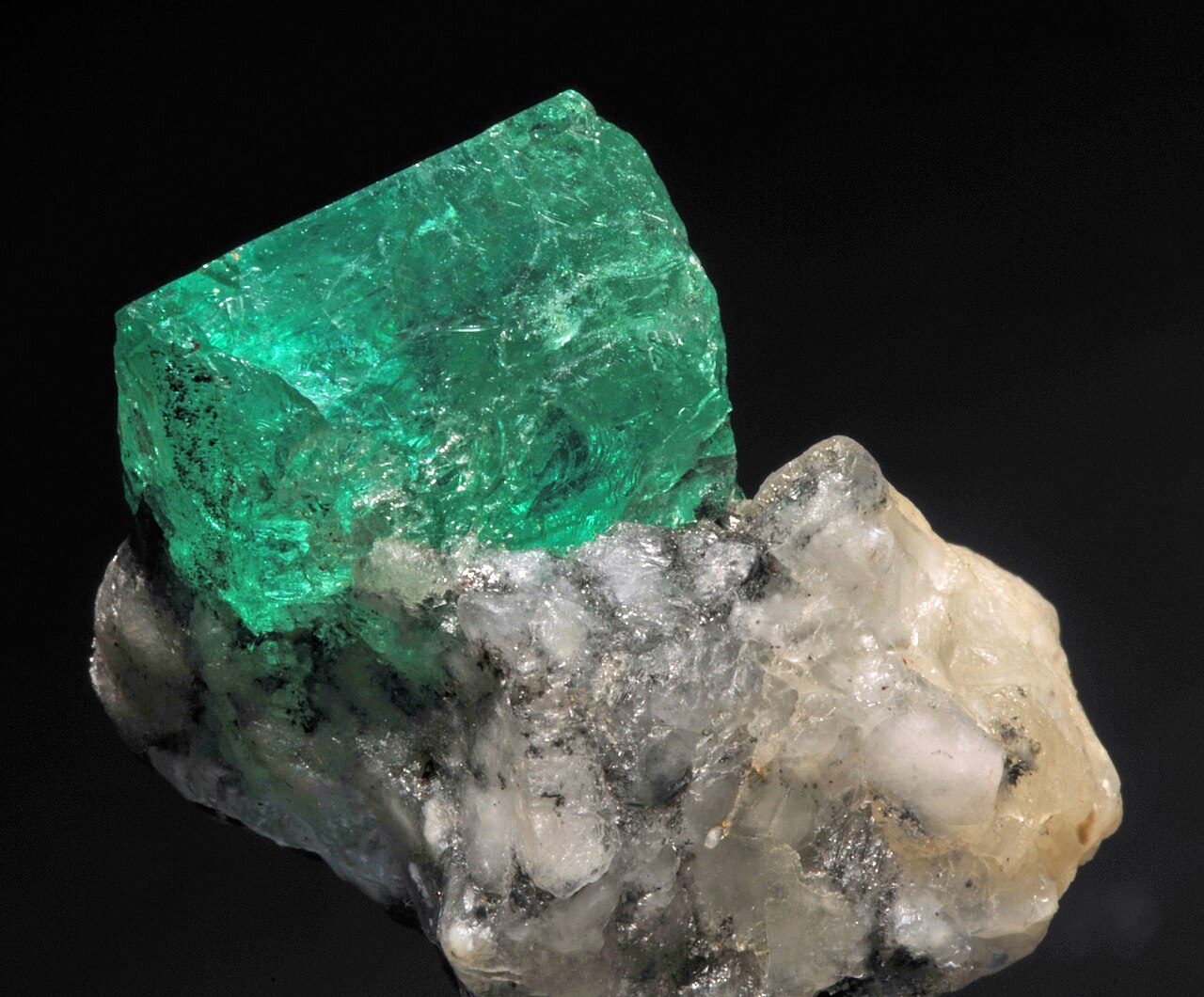 Emerald Emerald | 7.5 to 8 | Fair to good — requires more care in wear than ruby or sapphire, and can chip … | — | — | 2.67–2.78 | Hexagonal | Wearable daily only with care and a protective setting. The limiting factor is… |
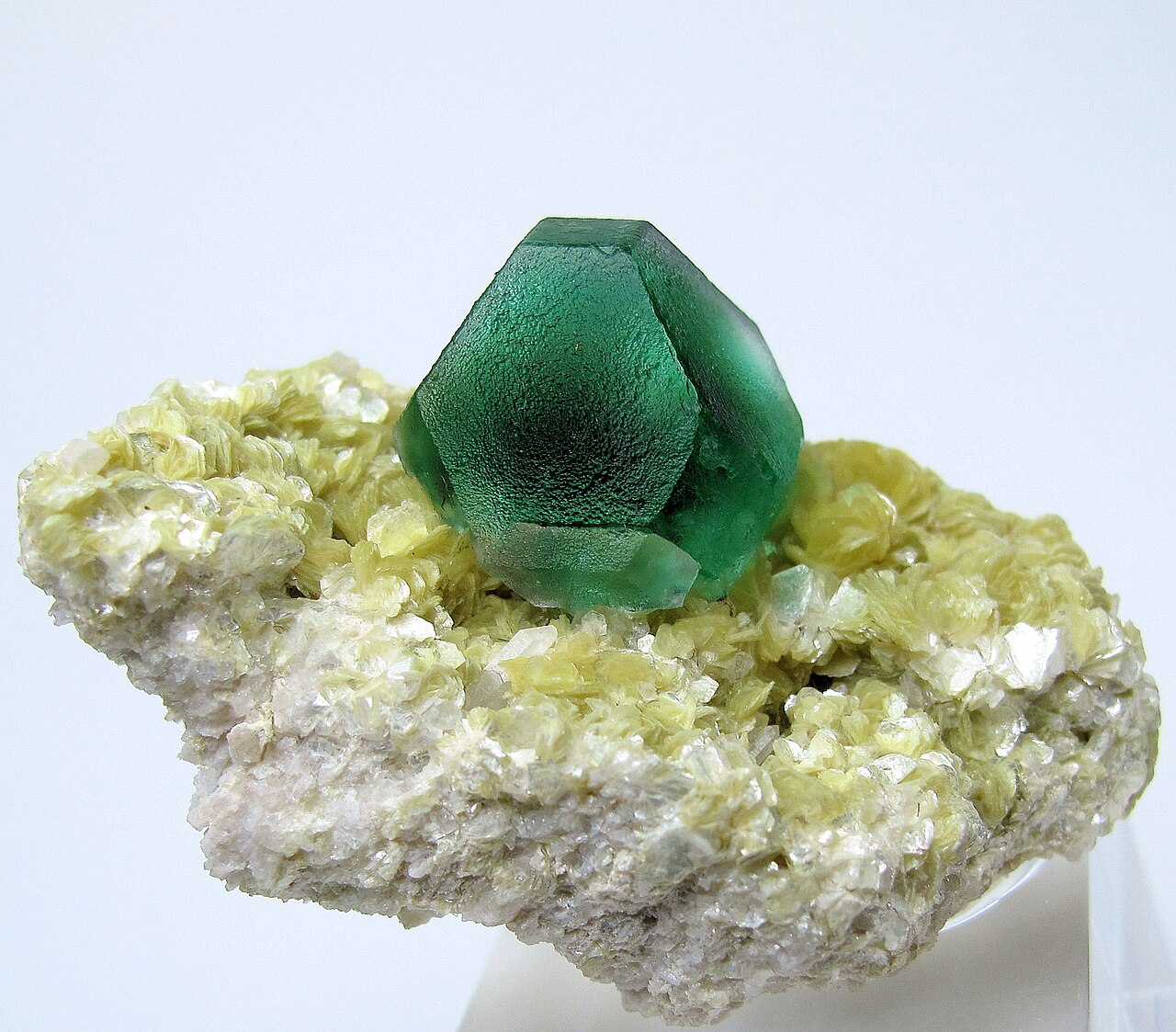 Fluorite Fluorite | 4 | — | — | 1.434 | 3.00–3.25 | Cubic | — |
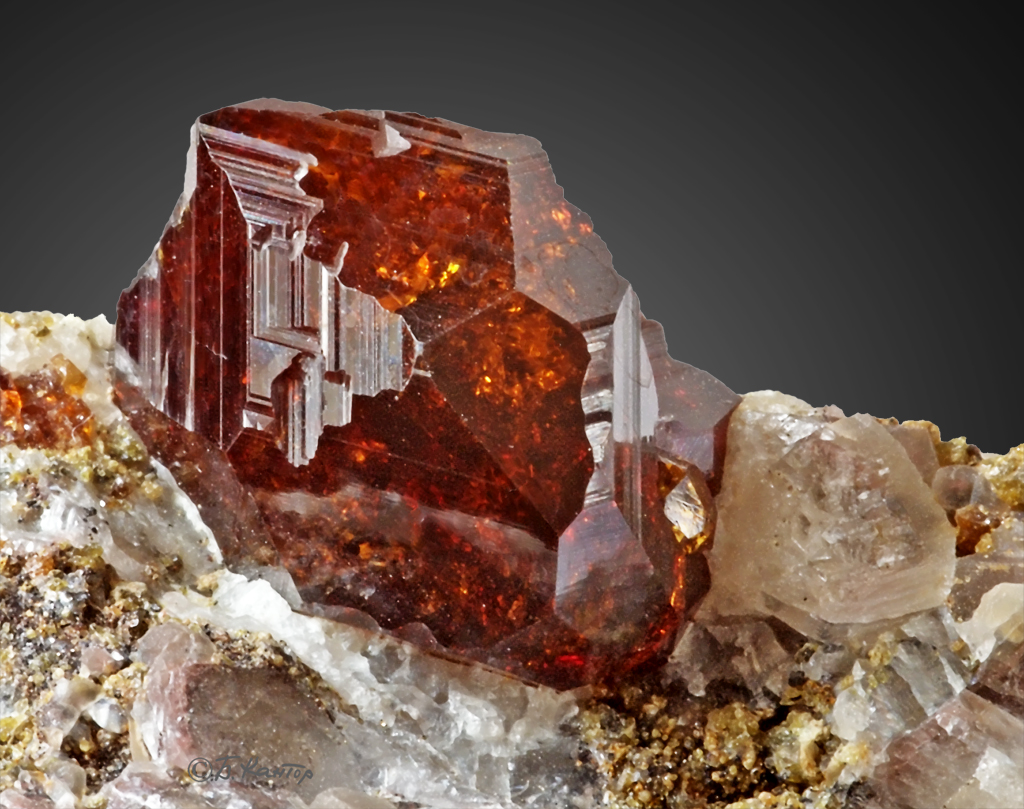 Garnet Garnet | 6½–7½ | — | — | — | — | Cubic | — |
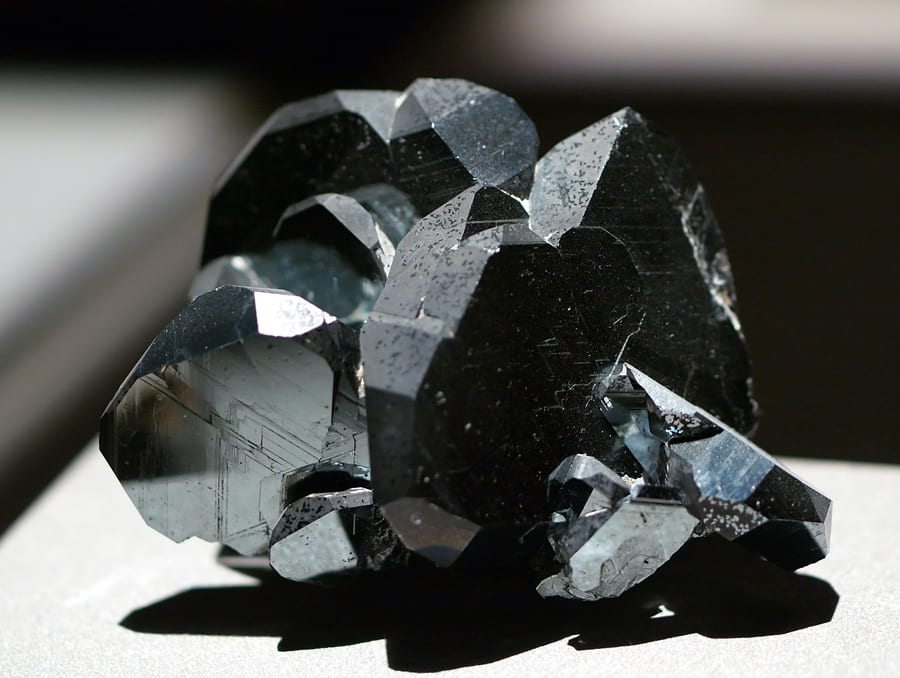 Hematite Hematite | 5–6½ | — | — | — | 4.95–5.26 | Hexagonal | — |
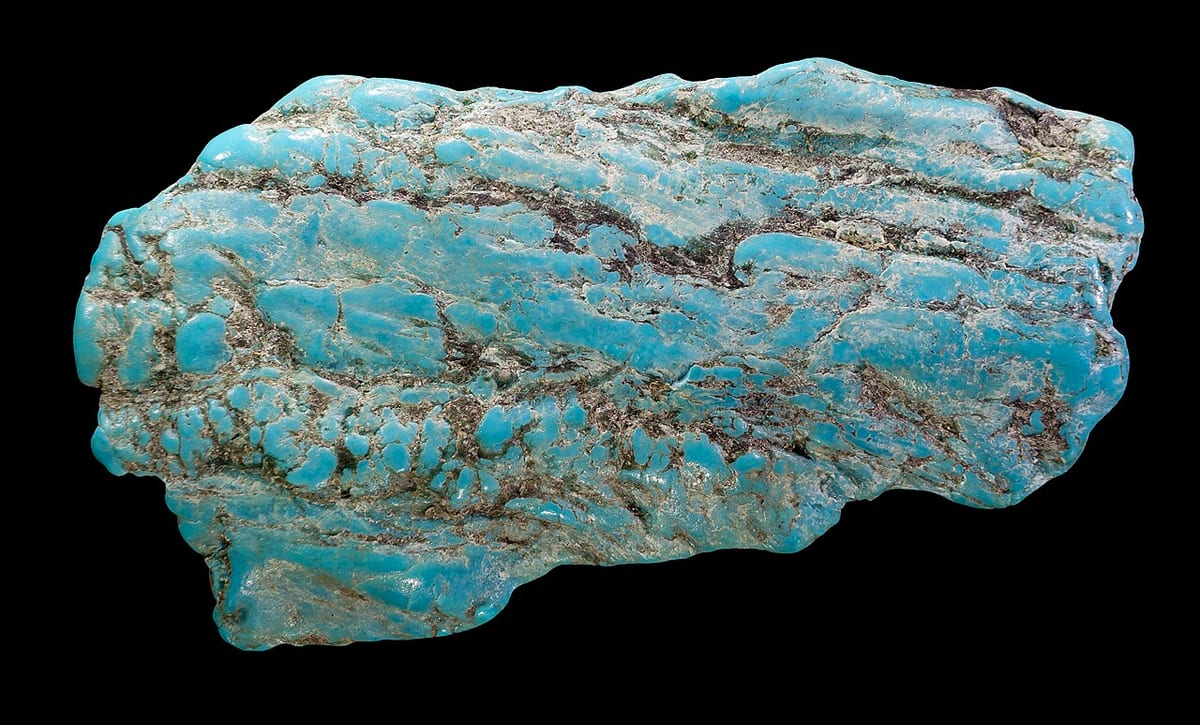 Howlite Howlite | 3–3½ | — | — | — | 2.45–2.58 | Monoclinic | Poor. At Mohs 3–3½ it is softer than a copper coin and will scratch against al… |
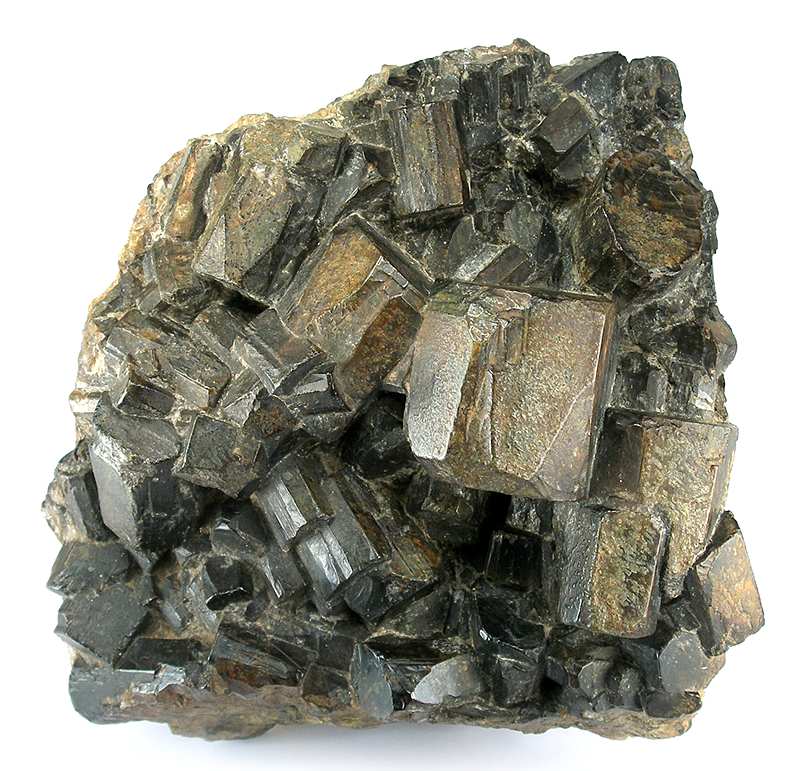 Iolite Iolite | 7–7½ | — | — | — | 2.53–2.78 | Orthorhombic | Very good, per IGS — but see the caution. Hardness of 7–7½ is ample for a ring… |
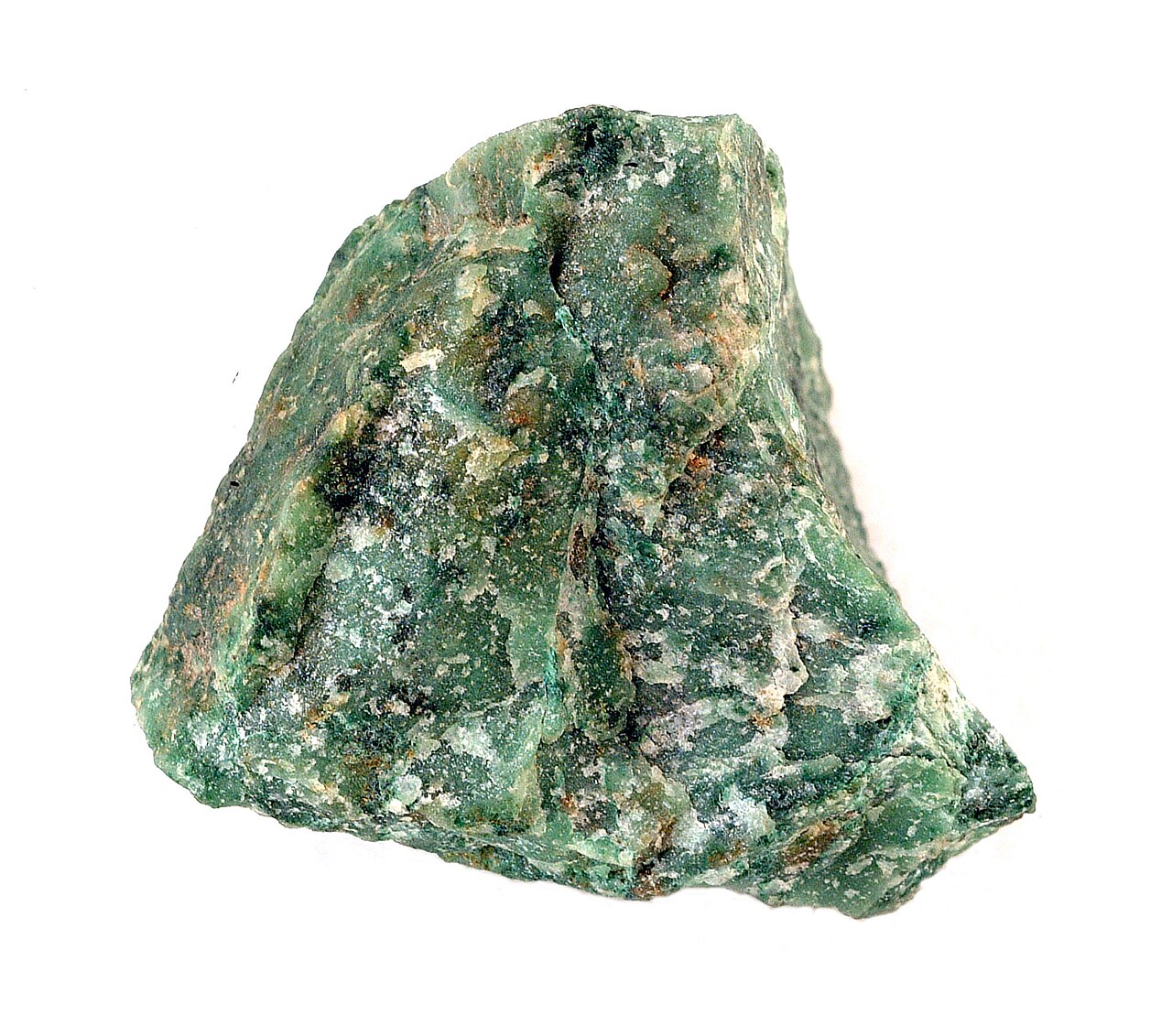 Jadeite Jadeite | 6½–7 | — | — | 1.652–1.688 | 3.30–3.38 | Monoclinic | — |
| Jasper | 7 | — | — | — | 2.55–2.91 | Hexagonal (trigonal), microcrystalline | — |
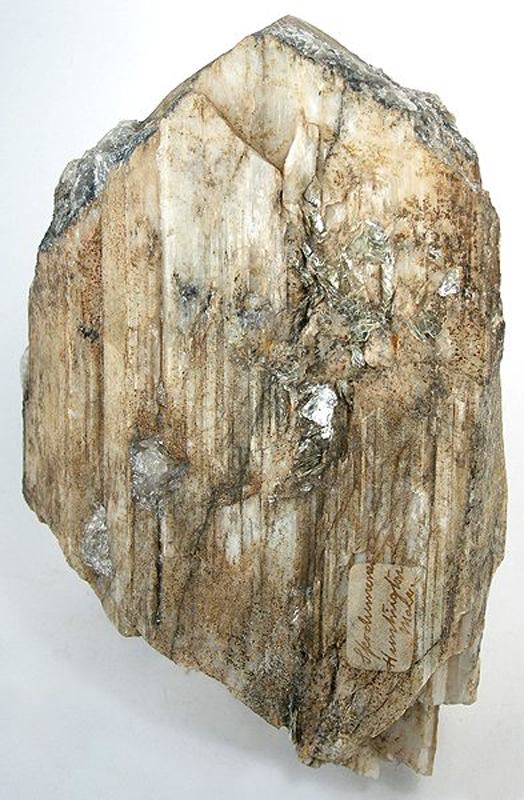 Kunzite Kunzite | 6½–7 | — | — | 1.660–1.681 | — | Monoclinic | — |
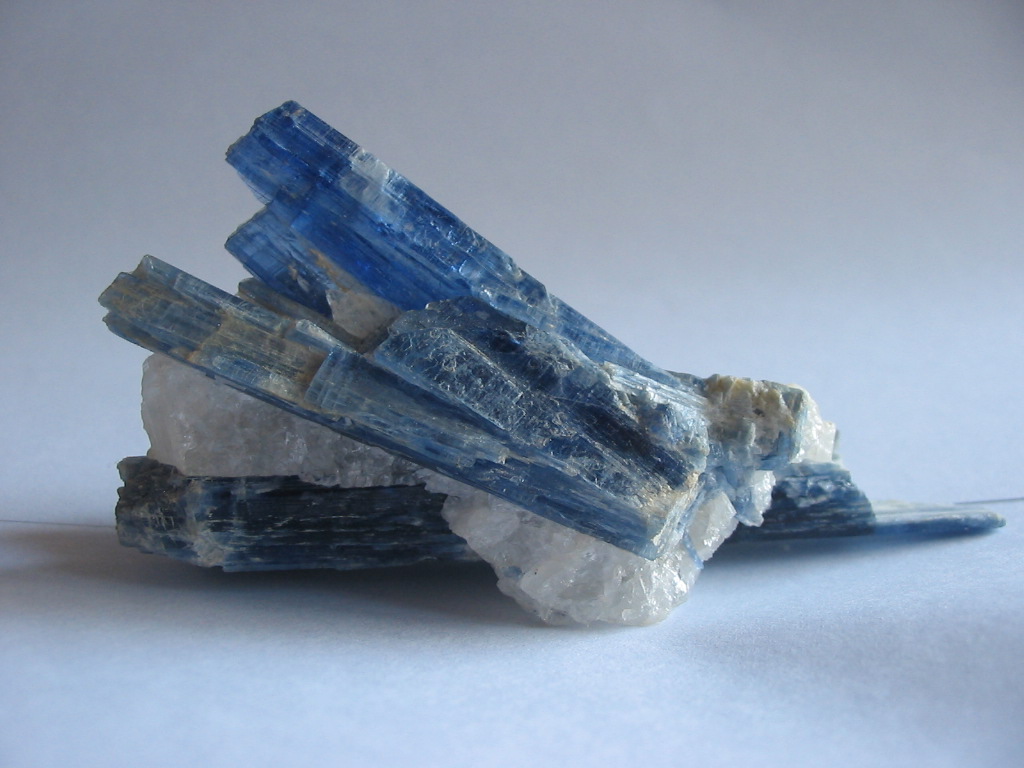 Kyanite Kyanite | 4–7.5; varies with direction in single crystals. This is not a range across sp… | — | — | — | 3.53–3.68; gems usually at the upper end | Triclinic | Depends on the cut, which is unusual enough to be worth saying plainly. Kyanit… |
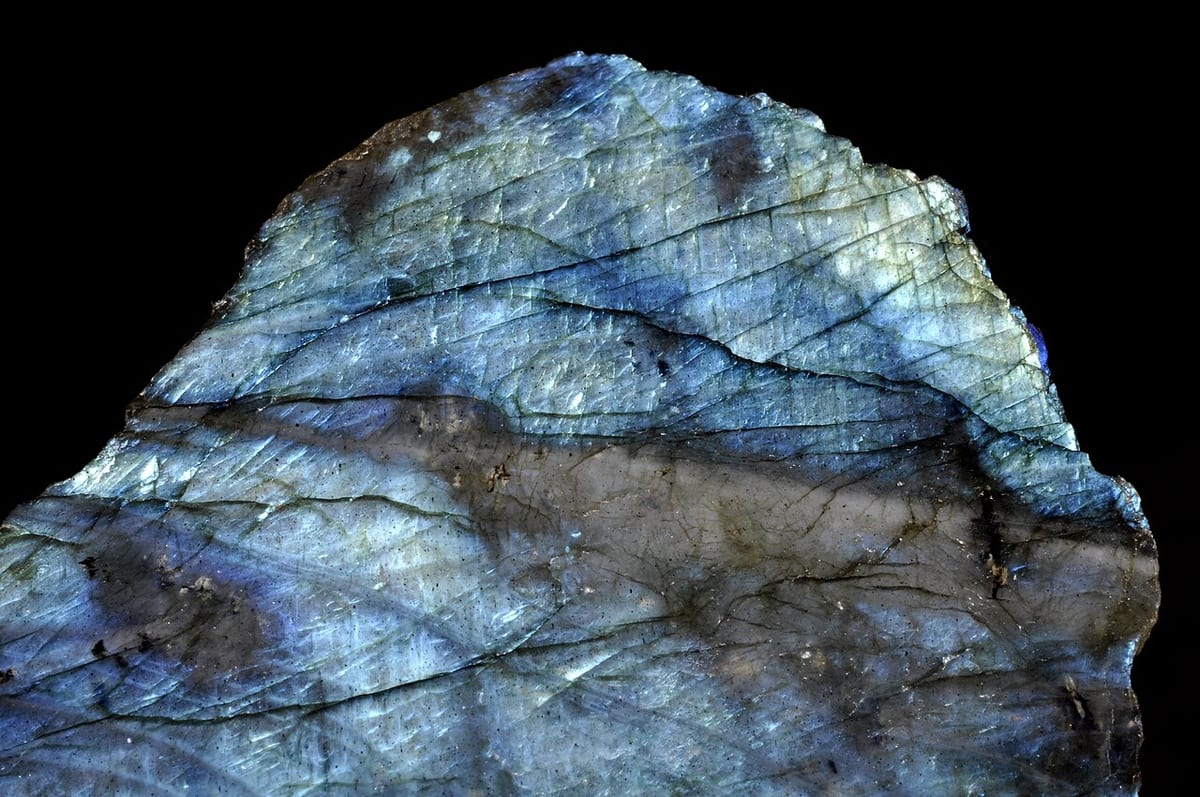 Labradorite Labradorite | 6–6½ | — | — | — | 2.65–2.75 | Triclinic | — |
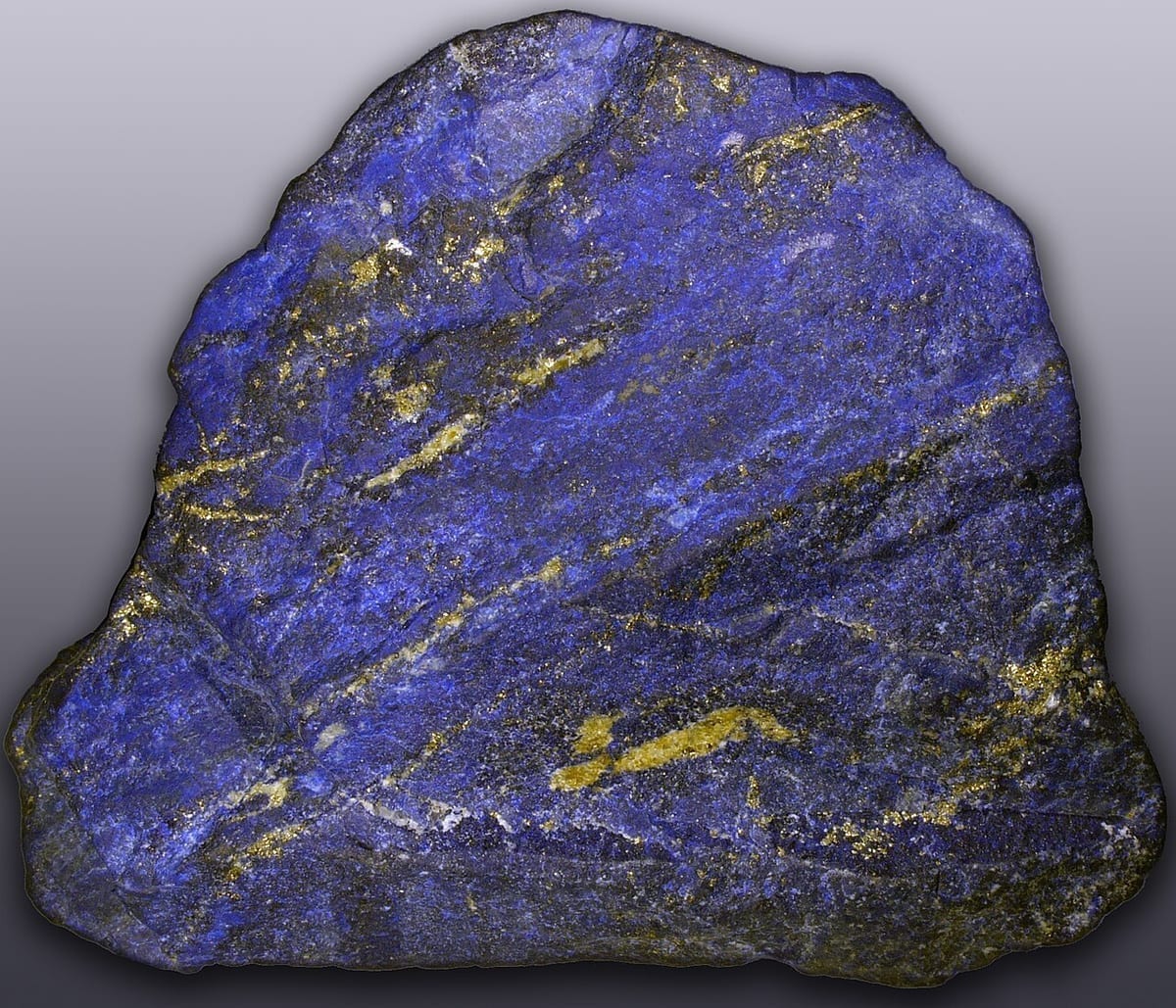 Lapis lazuli Lapis lazuli | — | — | — | 1.500 | 2.50–3.00 | Cubic | — |
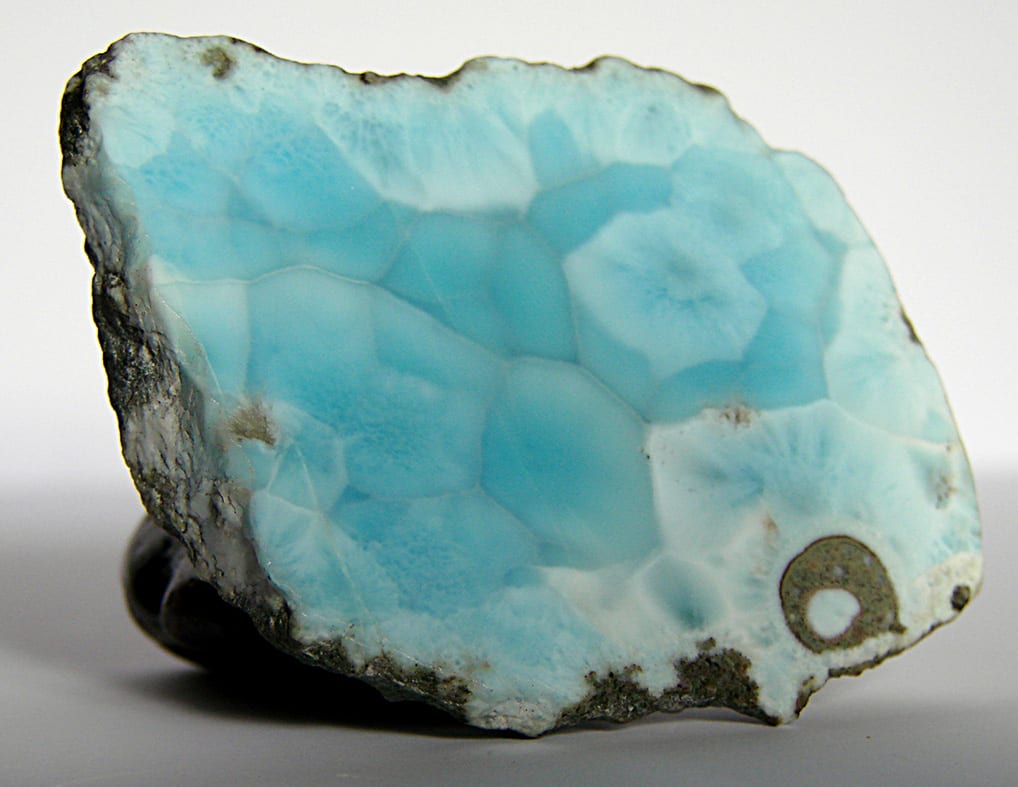 Larimar Larimar | 4½–5 | — | — | — | 2.84–2.90 | Triclinic | Poor for rings. At Mohs 4½–5 it is softer than a steel blade and will scuff in… |
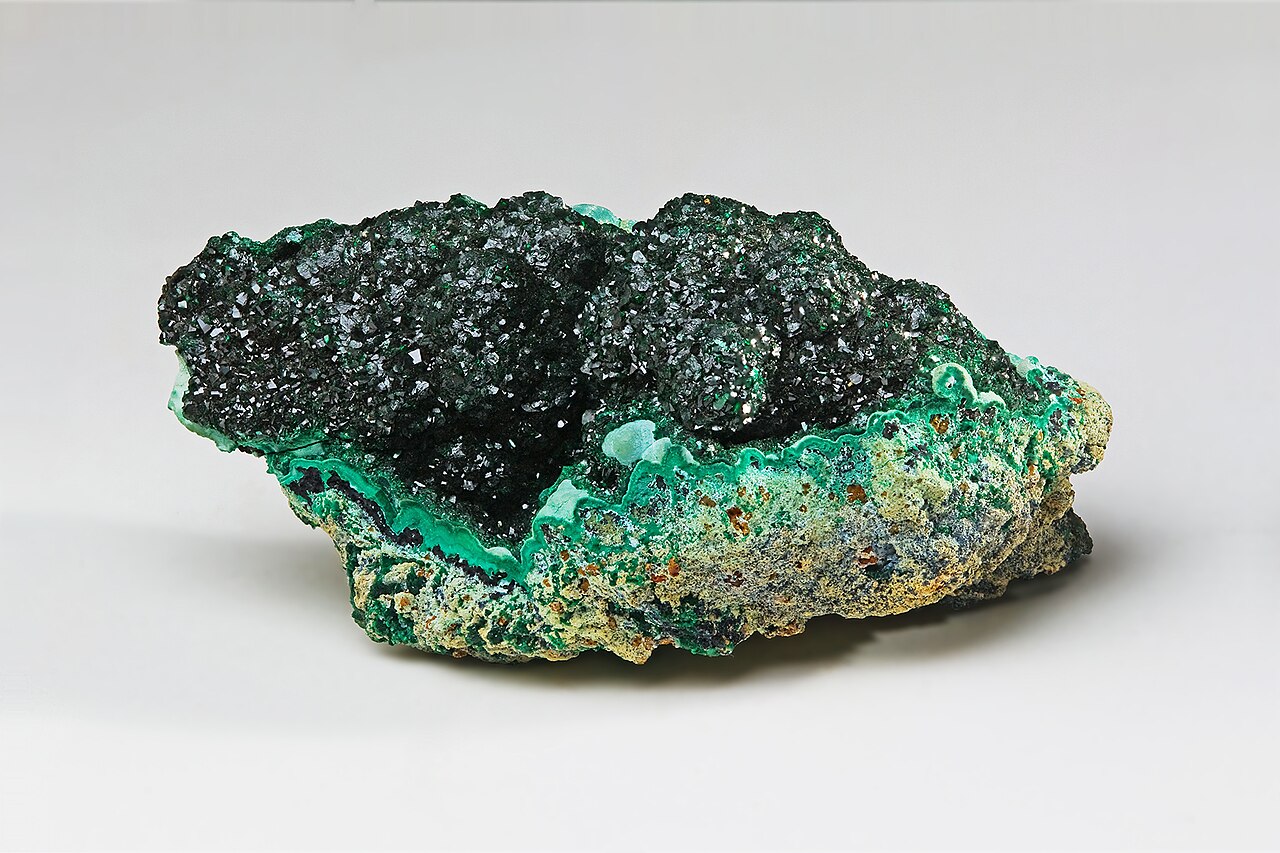 Malachite Malachite | 3½–4 | — | — | 1.655–1.909 | 3.25–4.10 | Monoclinic | — |
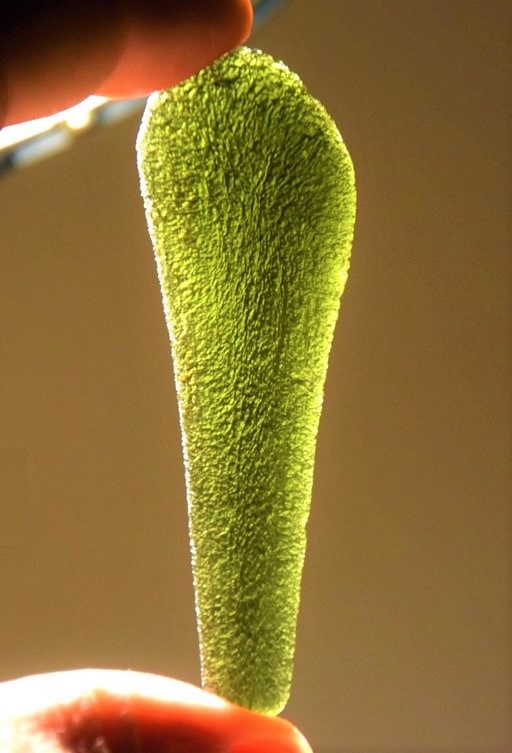 Moldavite Moldavite | 5 | — | — | — | 2.27–3.40 | Amorphous | POOR, in IGS’s own rating, and heat-sensitive. At Mohs 5 it belongs in a penda… |
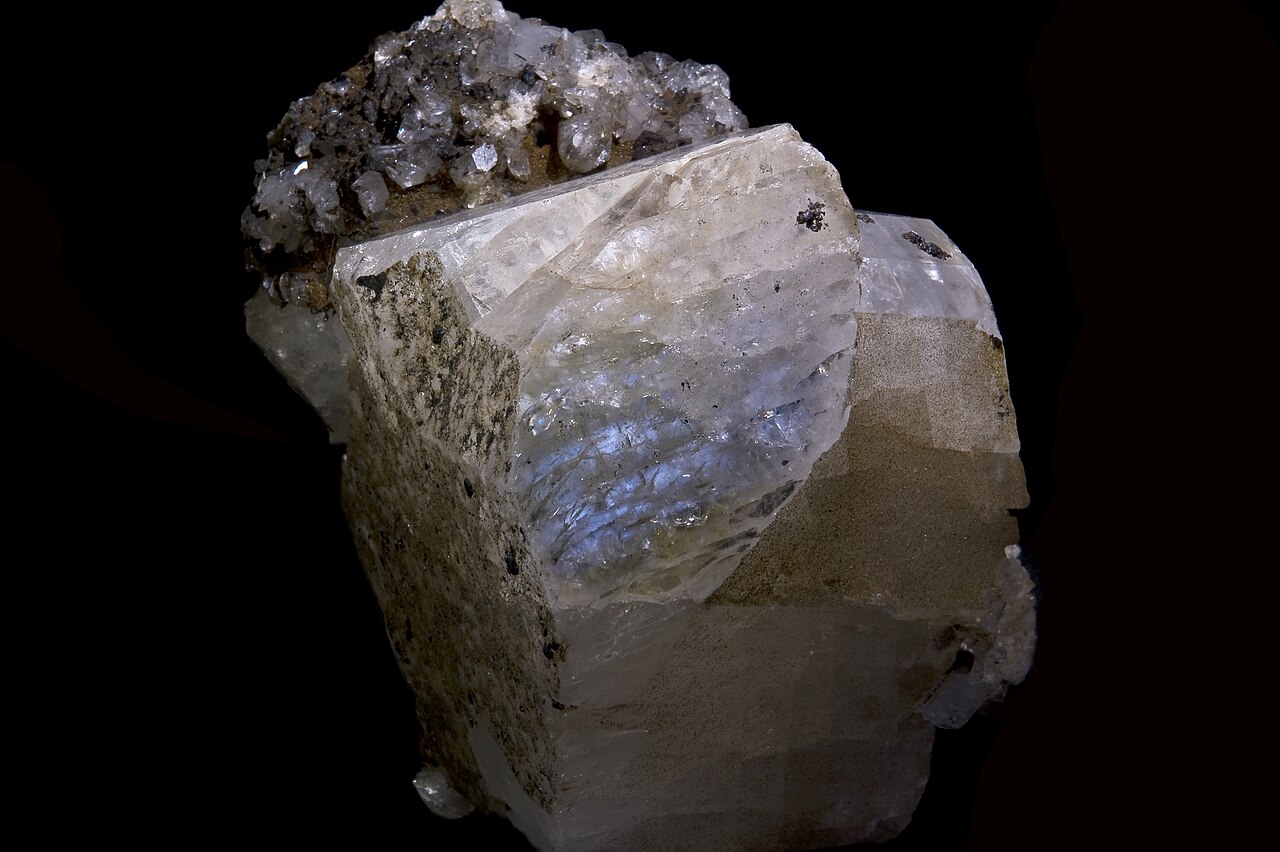 Moonstone Moonstone | — | — | — | 1.518–1.526 | 2.56–2.59 | Monoclinic | — |
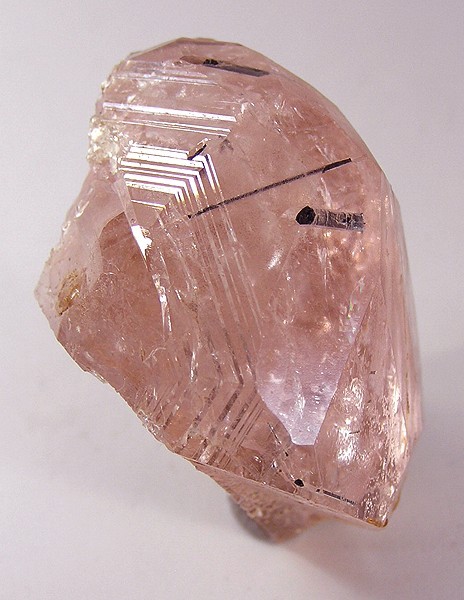 Morganite Morganite | 7½–8 | — | — | — | 2.71–2.90 | Hexagonal | Very good. IGS rates morganite’s wearability “Very Good”, which together with … |
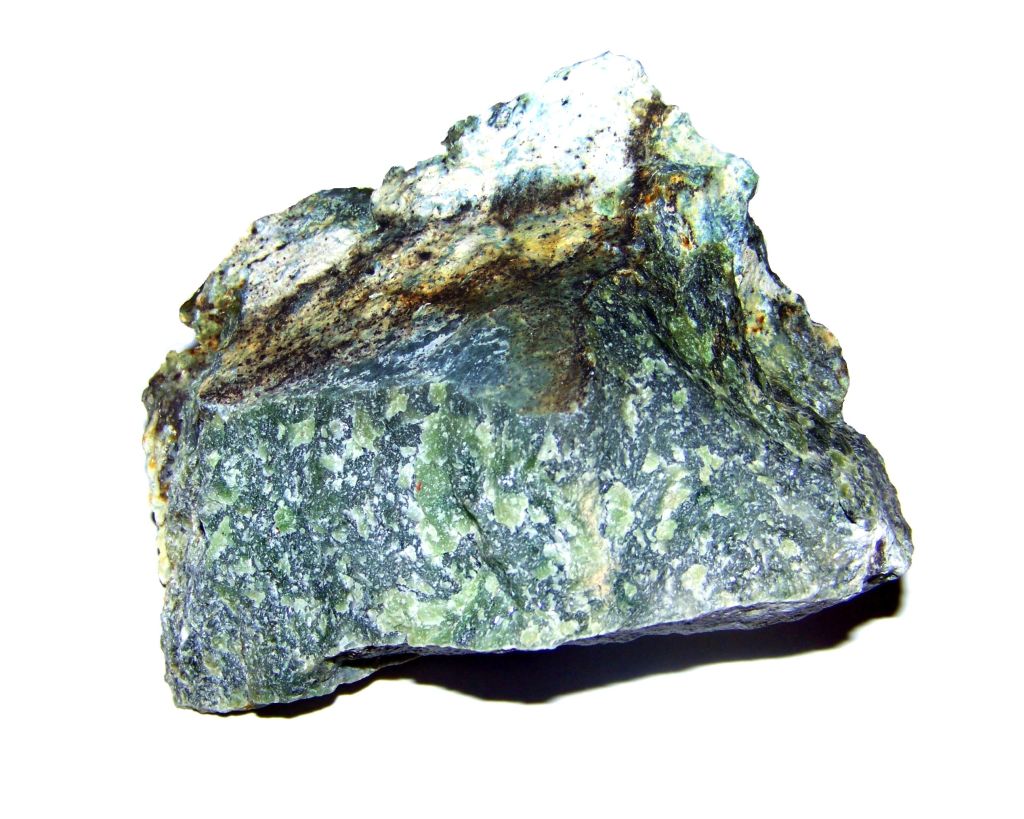 Nephrite Nephrite | 6–6½ | — | — | 1.600–1.627 | 2.90–3.03 | Monoclinic | — |
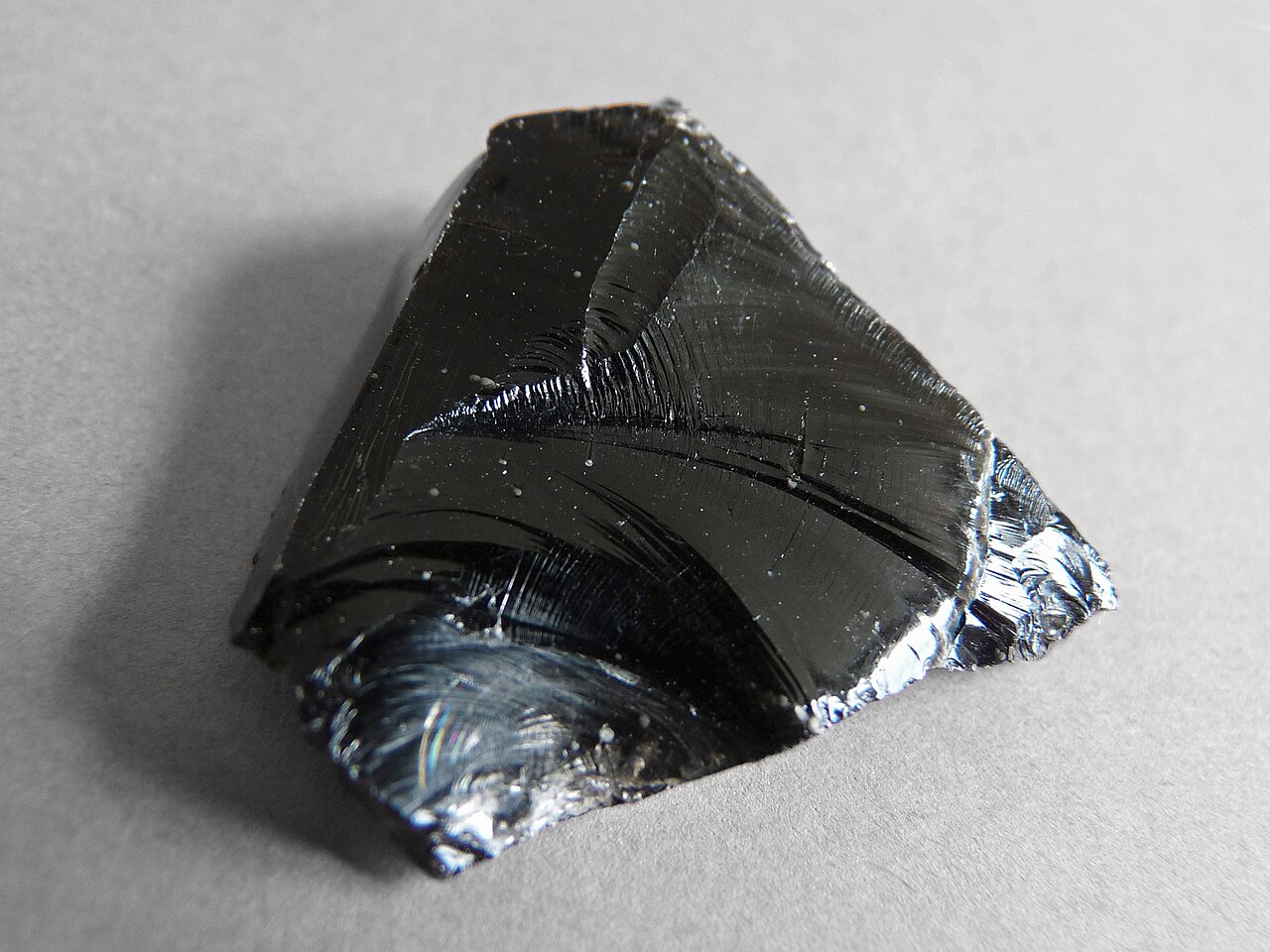 Obsidian Obsidian | 5 | — | — | — | 2.25–3.00 | Amorphous — no crystal structure, which is what makes it a glass rather than a… | Poor for rings. At Mohs 5 it is softer than household dust and scratches easil… |
| Onyx | 7 | — | — | — | 2.55–2.91 | Hexagonal (trigonal), microcrystalline | — |
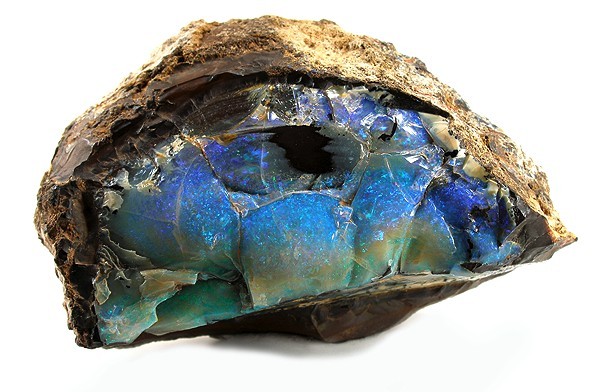 Opal Opal | 5½–6½ | Low. GIA groups opal with tanzanite as "not-so-tough" gems that should be prot… | — | 1.370–1.520 | — | Amorphous | Not recommended for daily rings or bracelets. GIA advises earrings or necklace… |
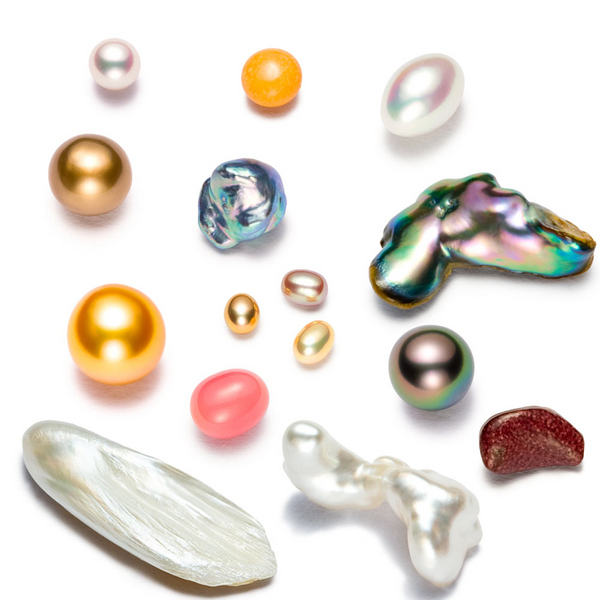 Pearl Pearl | — | — | Low. GIA: long-term exposure to heat and light can damage most organic gems in… | — | 2.60–2.85 | — | Wearable regularly with care, but should be put on after perfume and cosmetics… |
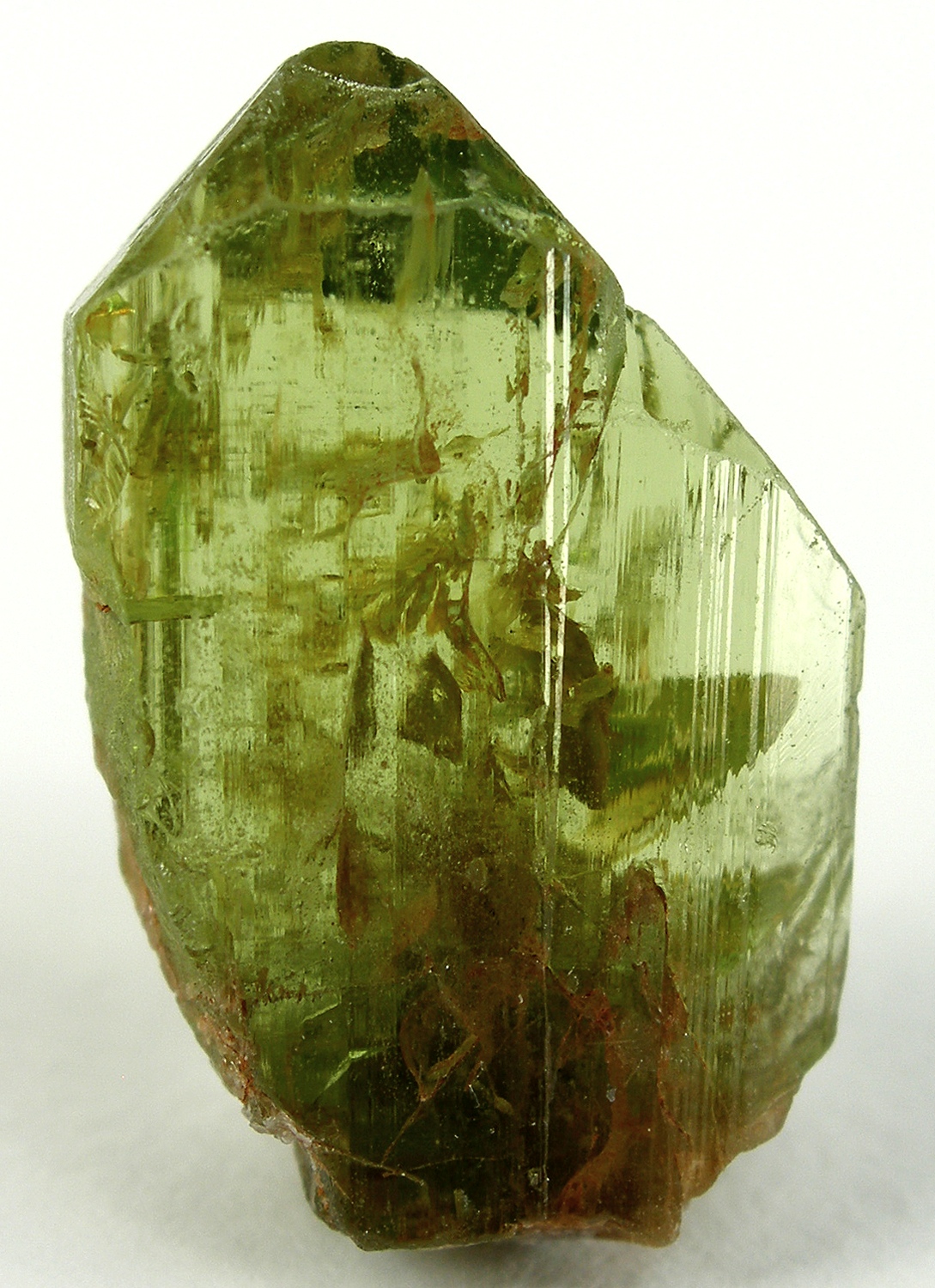 Peridot Peridot | 6½–7 | — | — | 1.650–1.703 | 3.28–4.39 | Orthorhombic | — |
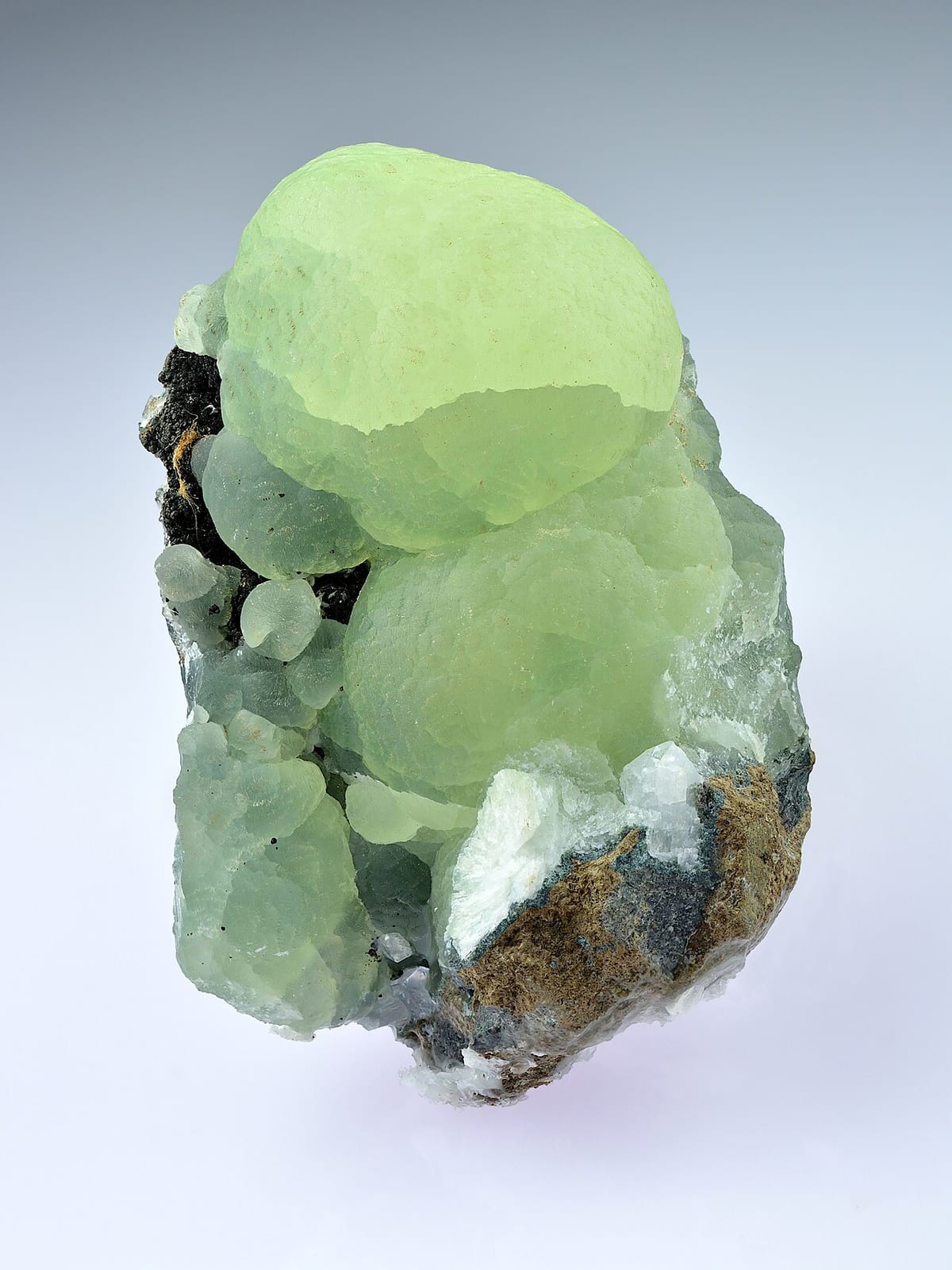 Prehnite Prehnite | 6–6½ | — | — | 1.611–1.669 | 2.82–2.94 | Orthorhombic | — |
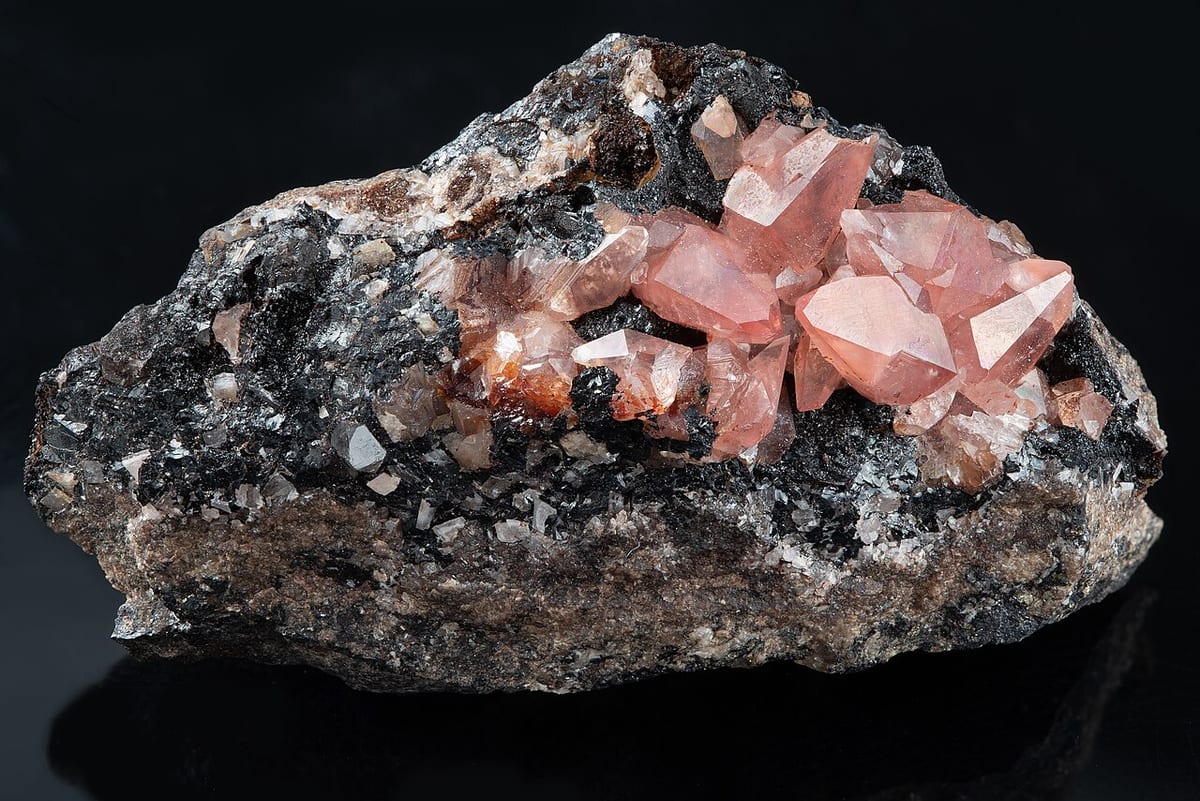 Rhodochrosite Rhodochrosite | 3½–4 | — | — | — | 3.70 | Hexagonal | Poor for rings and bracelets. At Mohs 3½–4 ordinary household dust, which is l… |
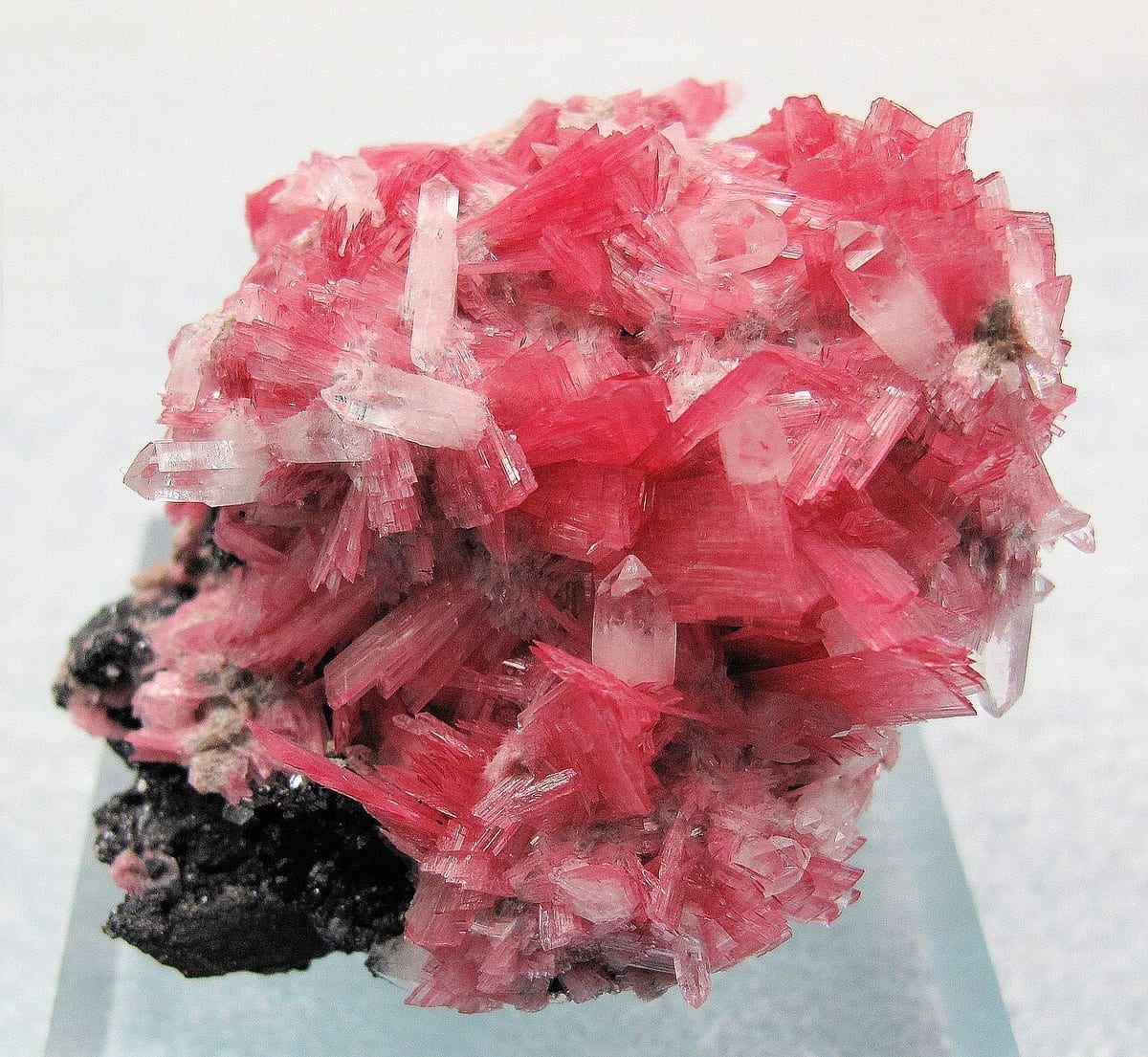 Rhodonite Rhodonite | 5½–6½ | — | — | — | 3.57–3.76 | Triclinic | POOR, in IGS’s own rating. That is the single most useful fact on this page: t… |
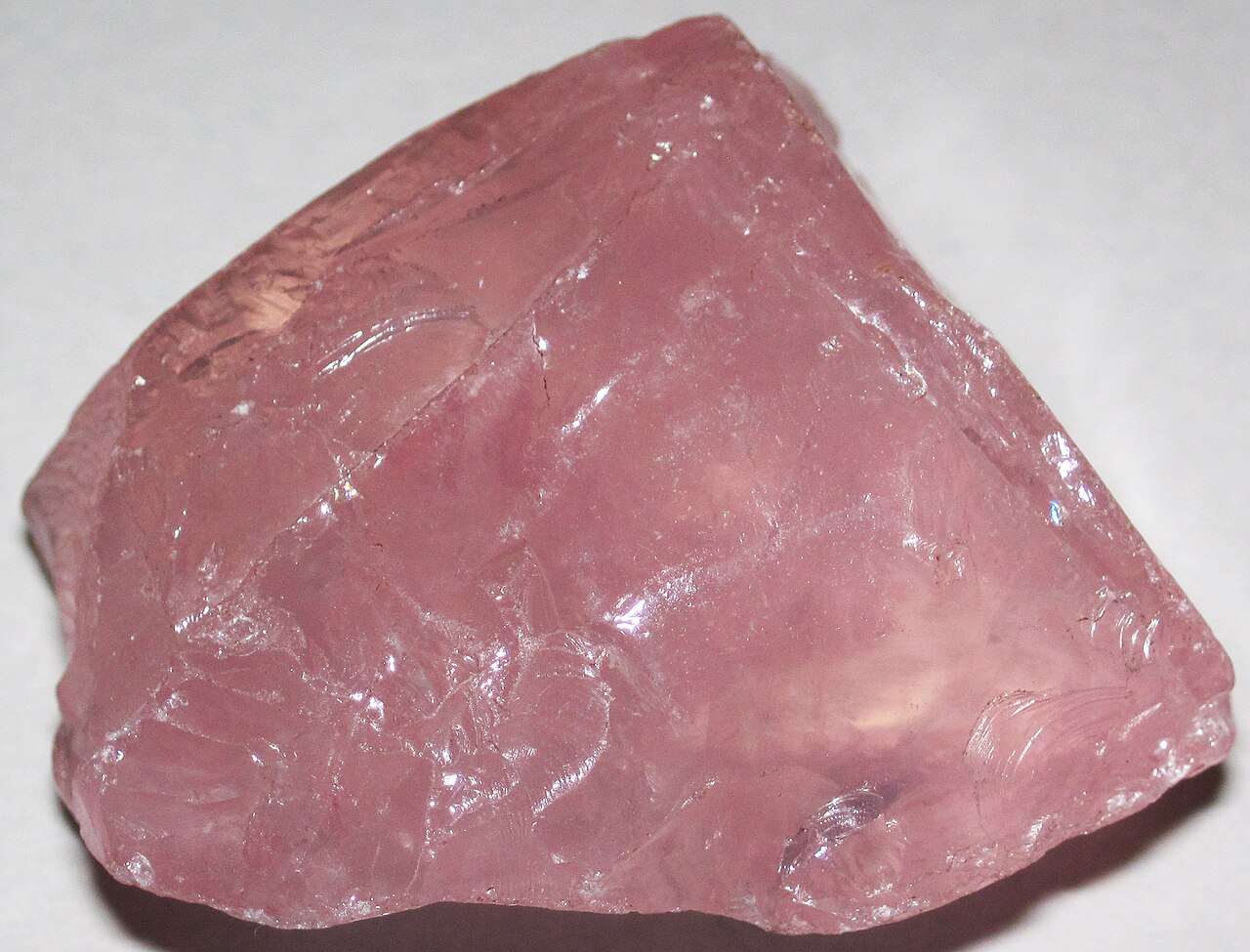 Rose quartz Rose quartz | 7 | — | — | — | 2.651 | Hexagonal | — |
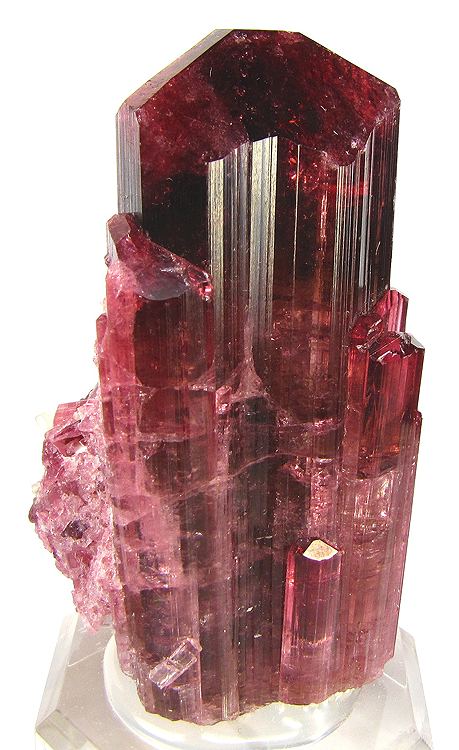 Rubellite Rubellite | 7–7½ | — | — | — | 2.90 | Hexagonal | Good. At 7–7½ it is genuinely suited to a ring, which is not true of most ston… |
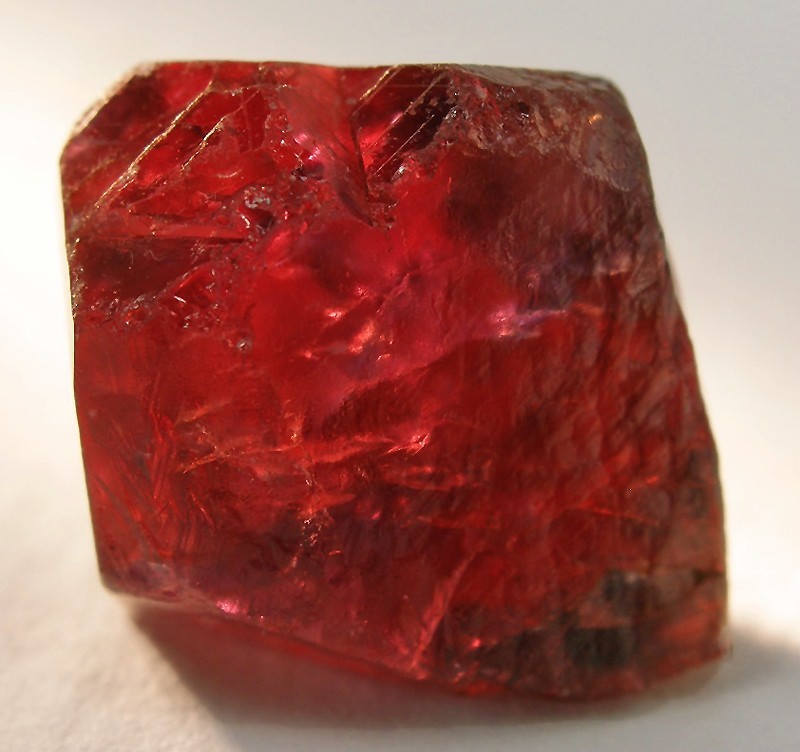 Ruby Ruby | 9 | Excellent. | — | — | 3.97–4.05 | Trigonal | Excellent. High on both axes that matter, which is why corundum is the standar… |
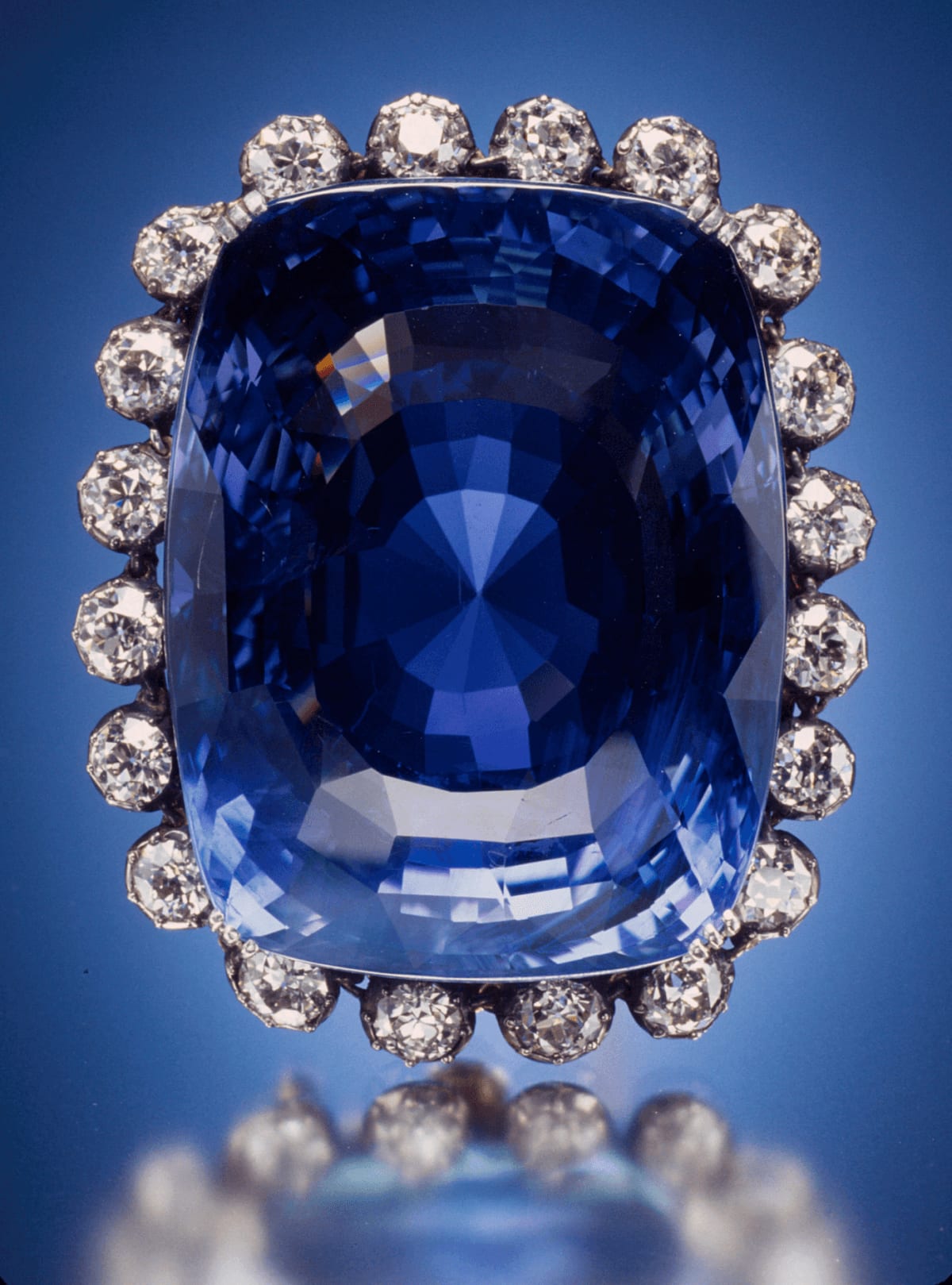 Sapphire Sapphire | 9 | Excellent. | — | — | 3.95–4.03 | Trigonal | Excellent. The most durable common alternative to diamond for an engagement ri… |
| Sardonyx | 7 | — | — | — | 2.55–2.91 | Hexagonal (trigonal), microcrystalline | — |
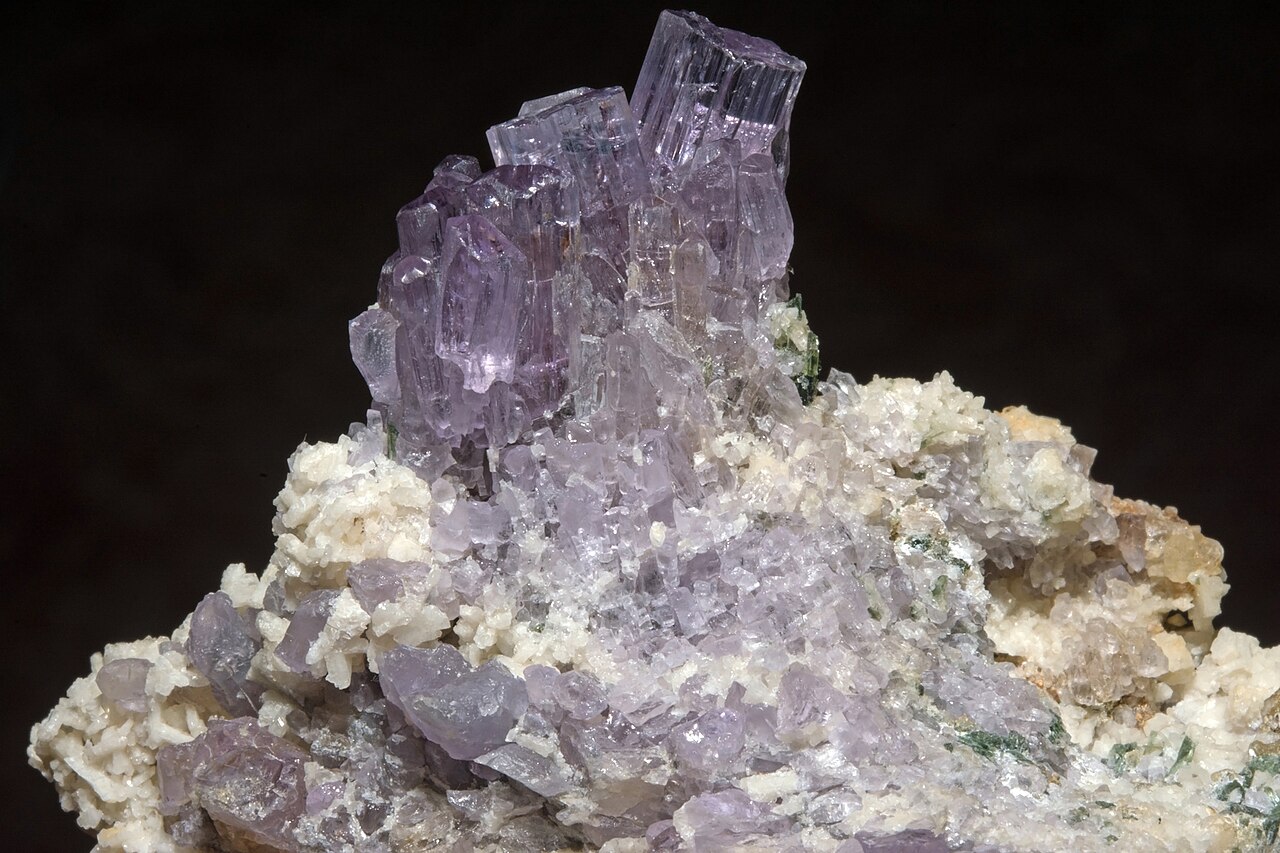 Scapolite Scapolite | 5½–6 | — | — | 1.540–1.579 | 2.57–2.74 | Tetragonal | — |
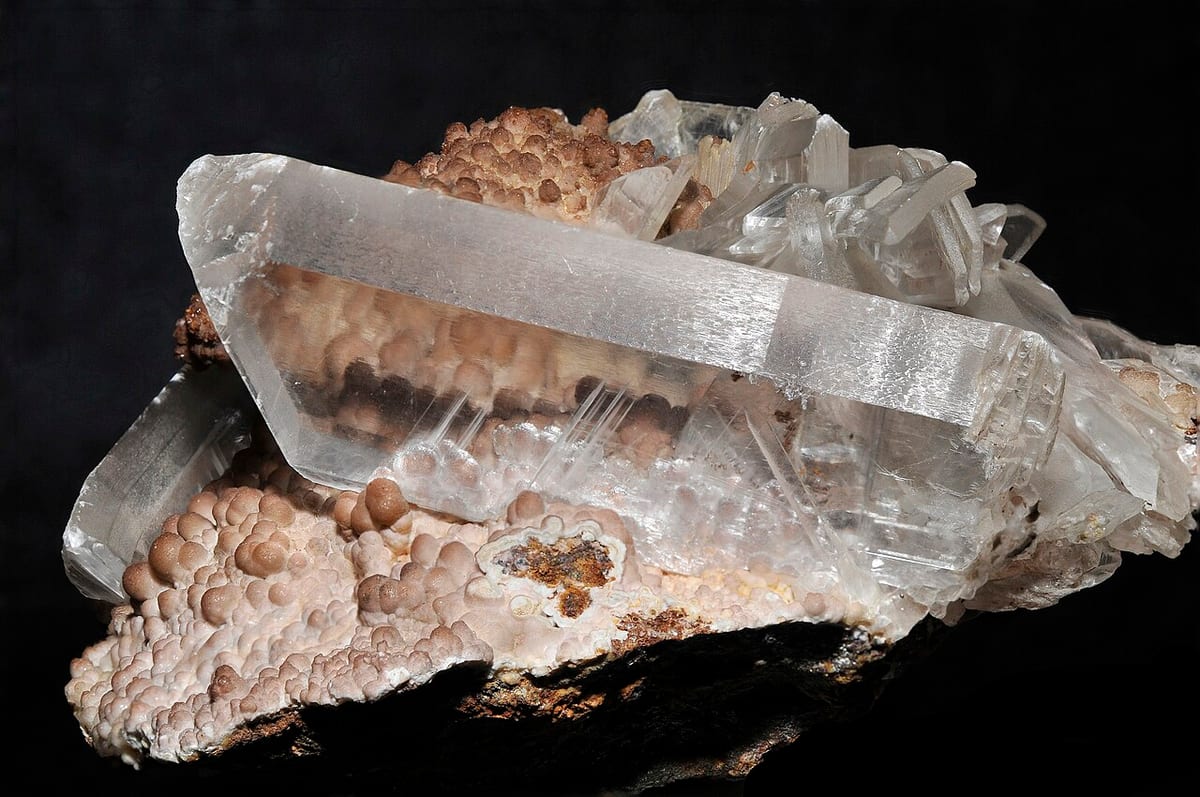 Selenite Selenite | 1½–2 | — | — | — | 2.317 | Monoclinic | Unsuitable for jewellery worn on the hand or wrist. At Mohs 1½–2 a fingernail … |
| Serpentine | 2.5 for ordinary serpentine; bowenite 4–6; williamsite 4.5. The spread matters… | — | — | — | 2.65 | Monoclinic | Poor unless it is bowenite. At Mohs 2.5 the base material scratches against al… |
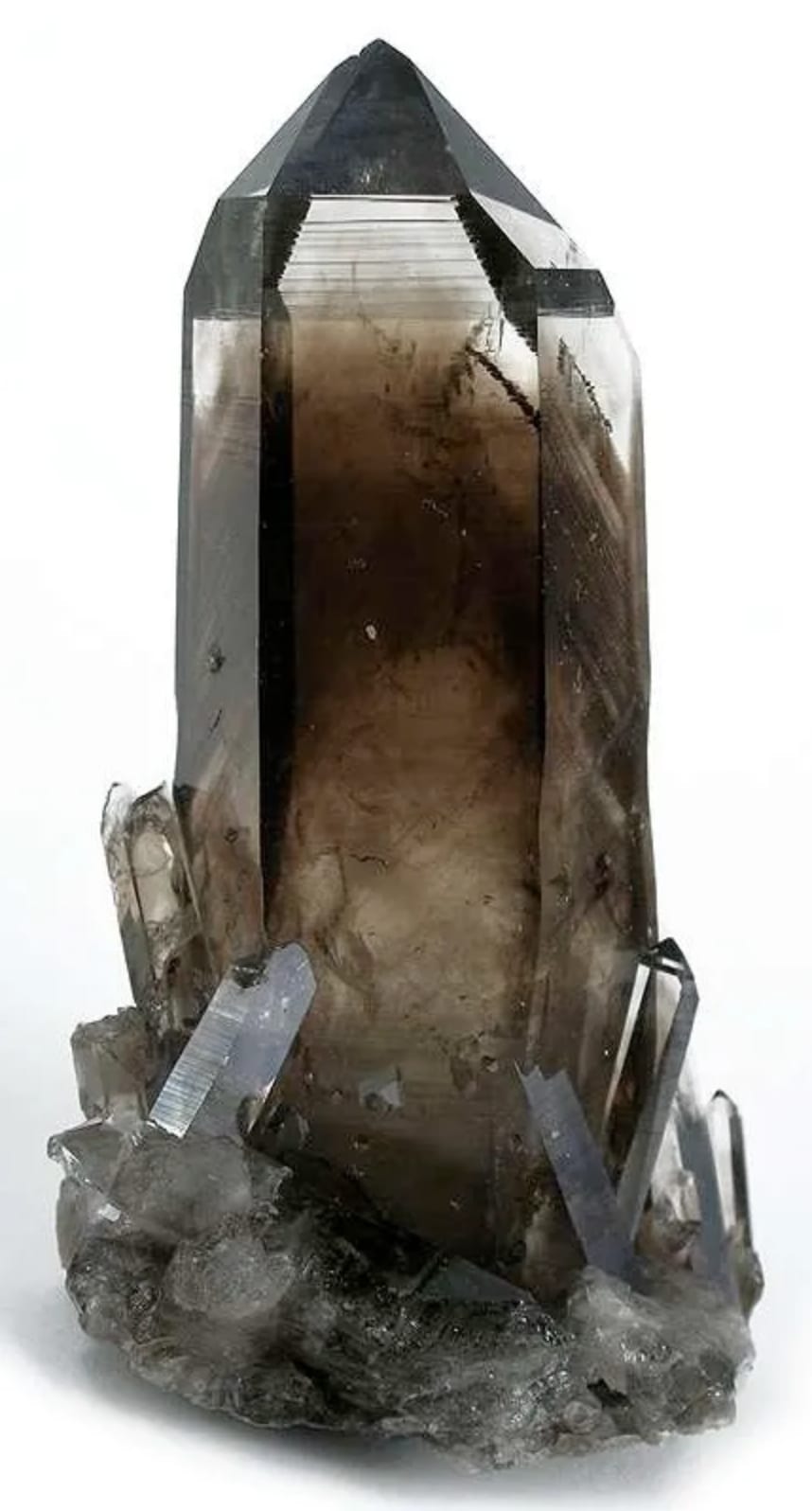 Smoky quartz Smoky quartz | 7 | — | — | — | 2.651 | Hexagonal | — |
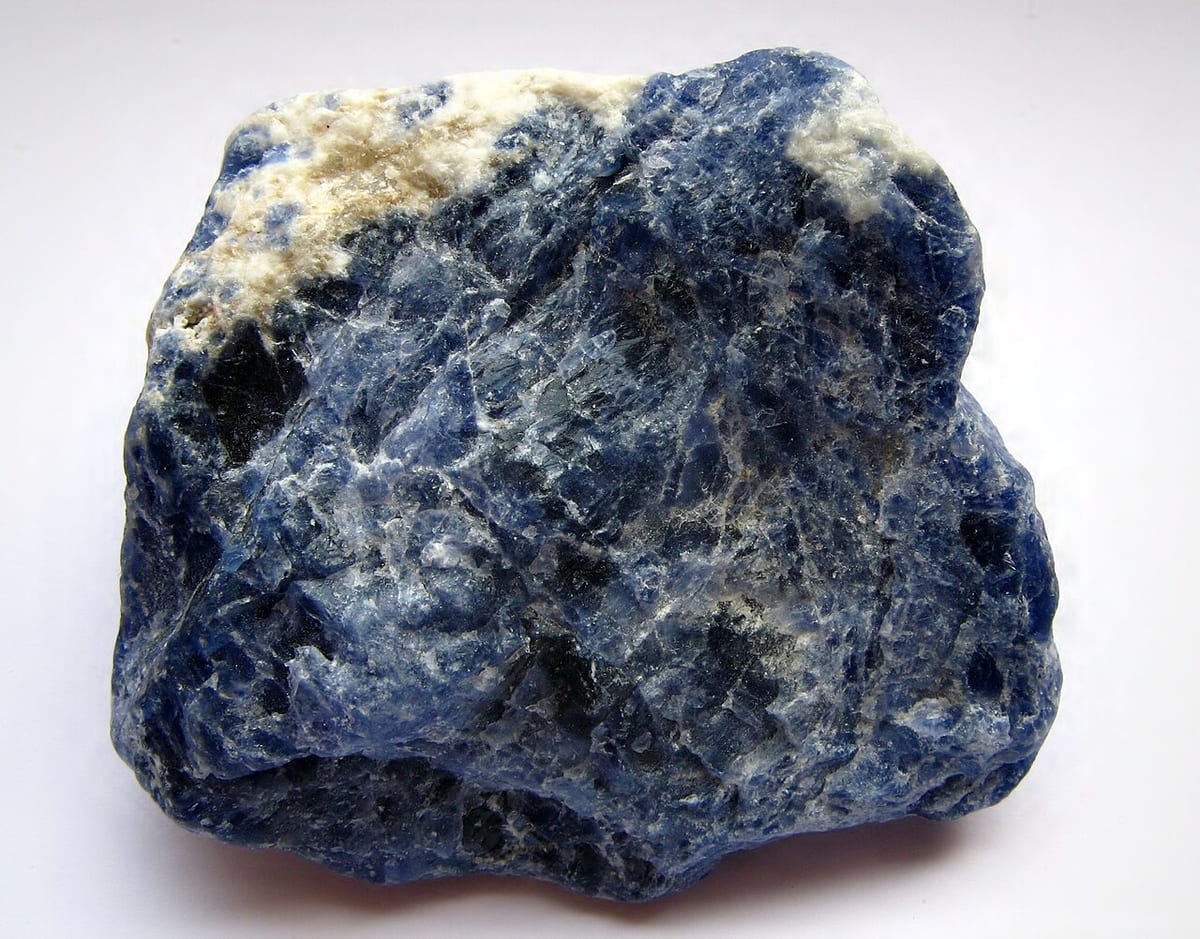 Sodalite Sodalite | 5½–6 | — | — | 1.480 | 2.14–2.40 | Cubic | — |
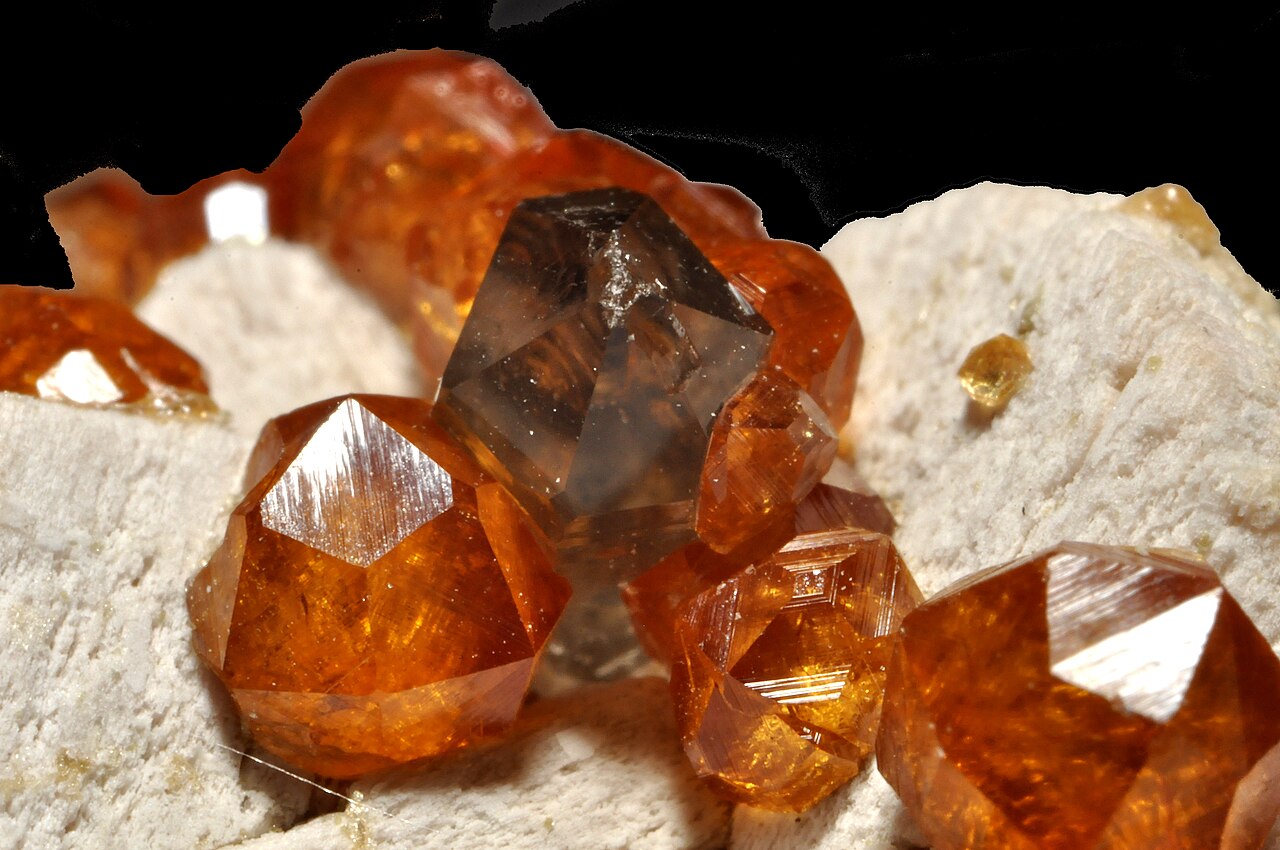 Spessartite Spessartite | 7–7½ | — | — | — | 4.190 | Cubic | Good to very good. At 7–7½ with no cleavage it is genuinely suited to a ring. |
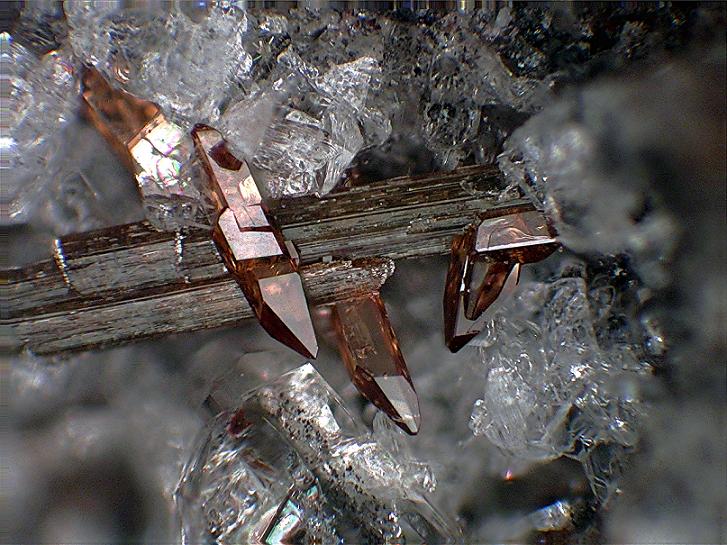 Sphene Sphene | 5–5½ | — | — | — | 3.52–3.53 | Monoclinic | Poor to moderate for rings. At Mohs 5–5½ it is below the quartz in household d… |
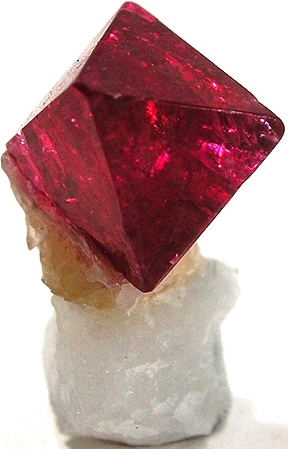 Spinel Spinel | 8 | — | — | 1.712–1.762 | 3.54–3.63 | Cubic | — |
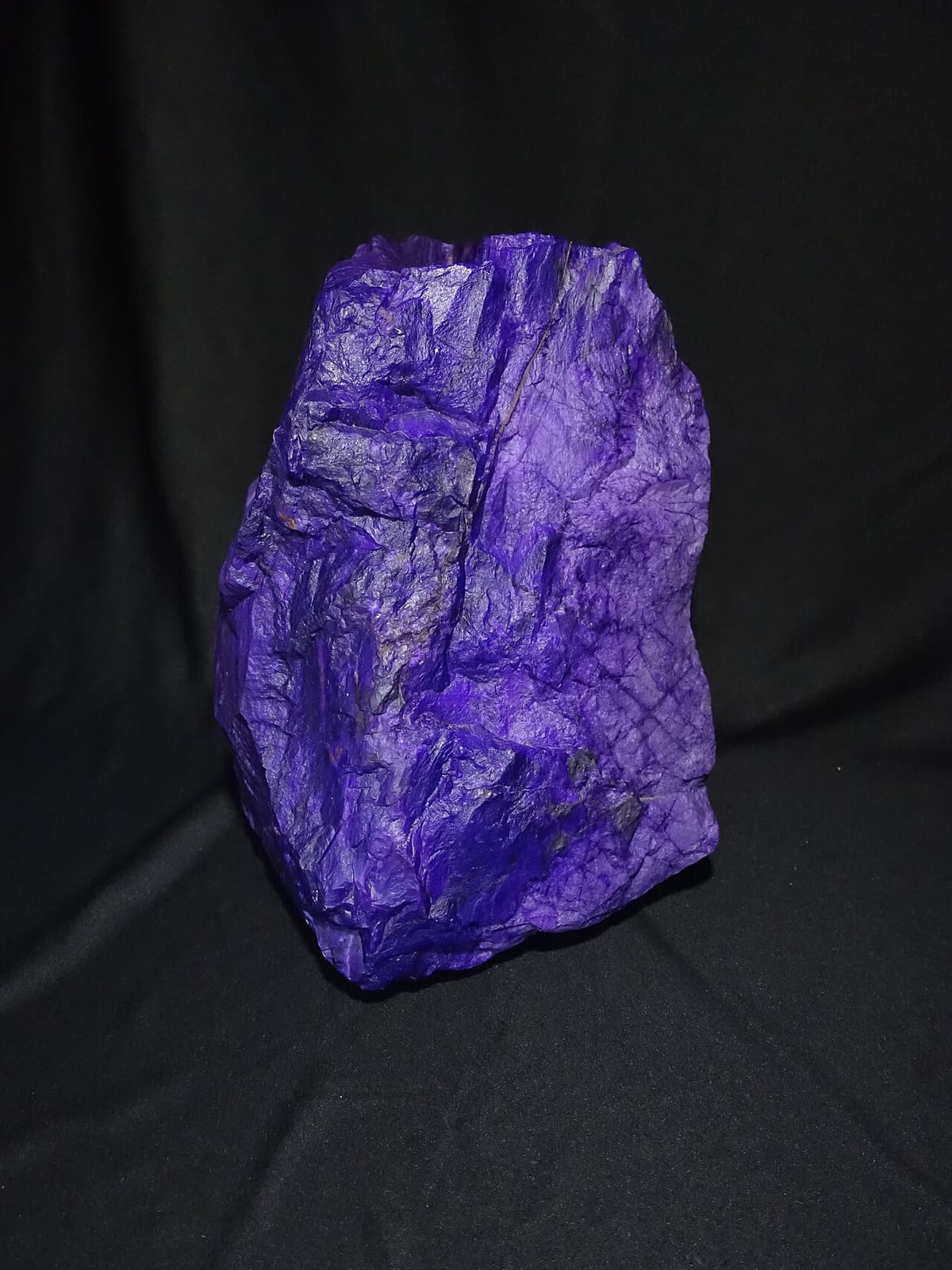 Sugilite Sugilite | 6–6½ | — | — | — | 2.74–2.79 | Hexagonal | — |
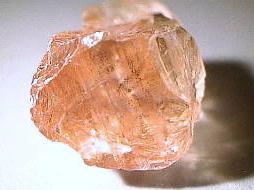 Sunstone Sunstone | 6–6½ | — | — | — | 2.63–2.66 | Triclinic | Moderate. At 6–6½ it is wearable but feldspar has good cleavage, so a knock is… |
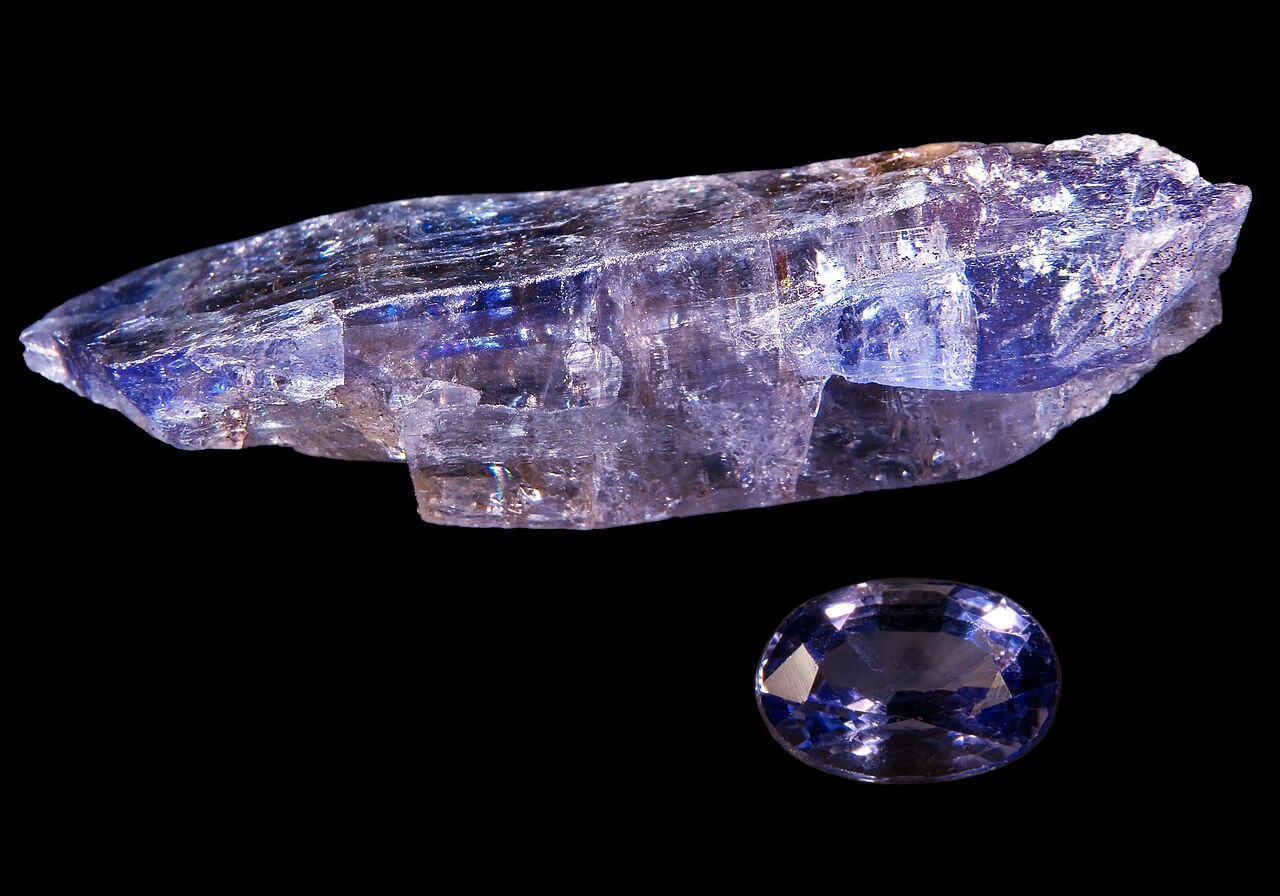 Tanzanite Tanzanite | 6½–7 | Low. GIA groups tanzanite with opal as "not-so-tough" gems needing protection … | Poor under prolonged light. GIA lists tanzanite with kunzite and topaz as gems… | 1.691–1.700 | 3.35 | Orthorhombic | Occasional wear. Earrings and necklaces preferred; reserve rings and bracelets… |
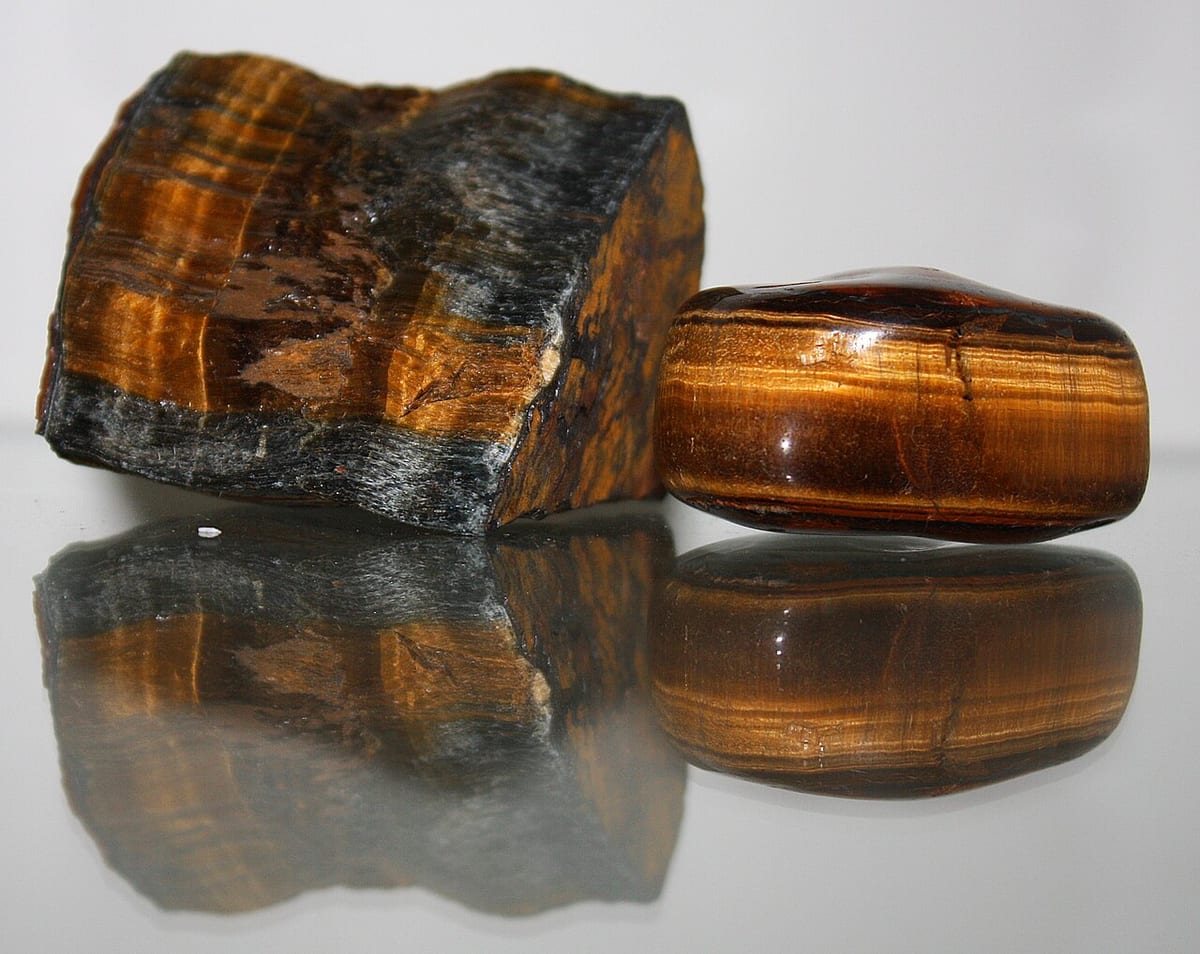 Tiger’s eye Tiger’s eye | 7 | — | — | — | 2.651 | Hexagonal | — |
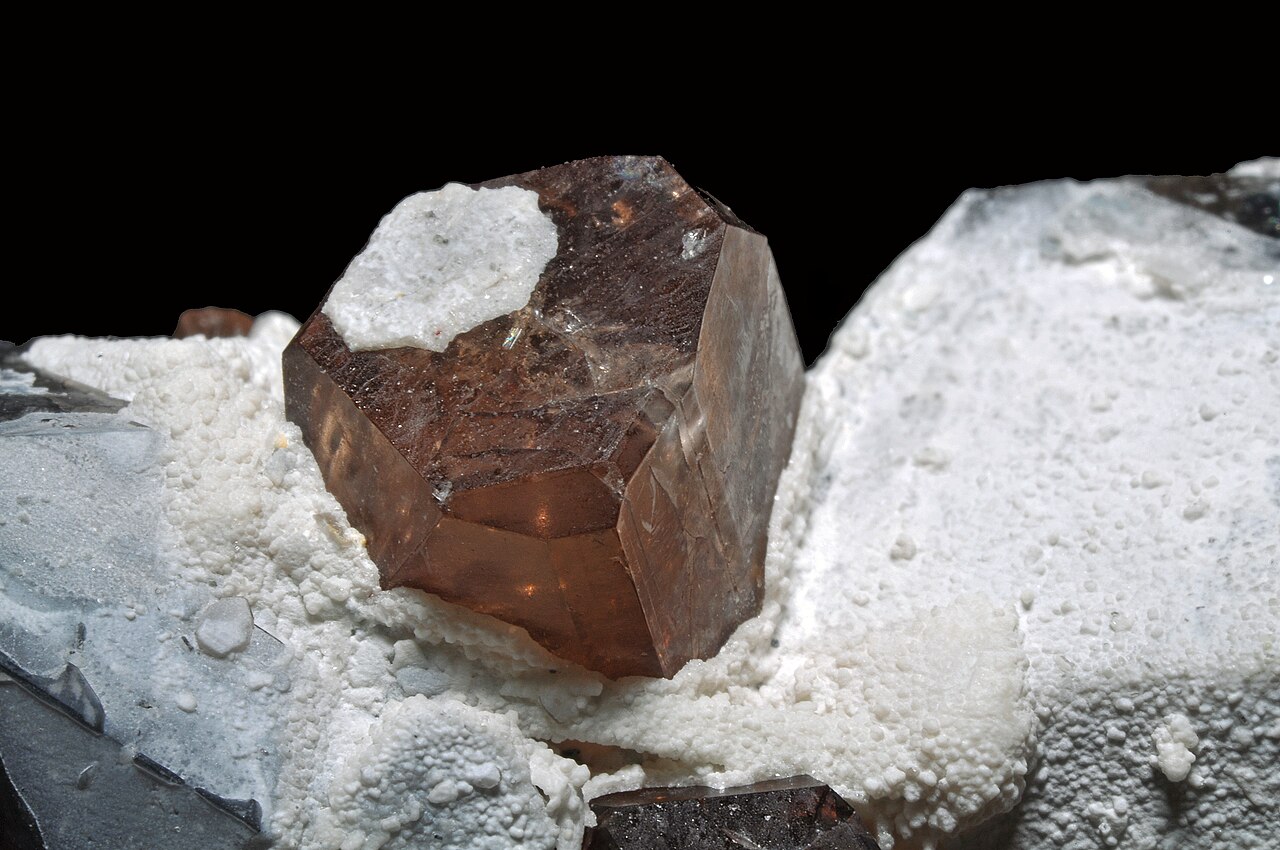 Topaz Topaz | 8 | — | Can fade or change colour from prolonged exposure to light — GIA lists topaz a… | 1.609–1.643 | 3.49–3.57 | Orthorhombic | — |
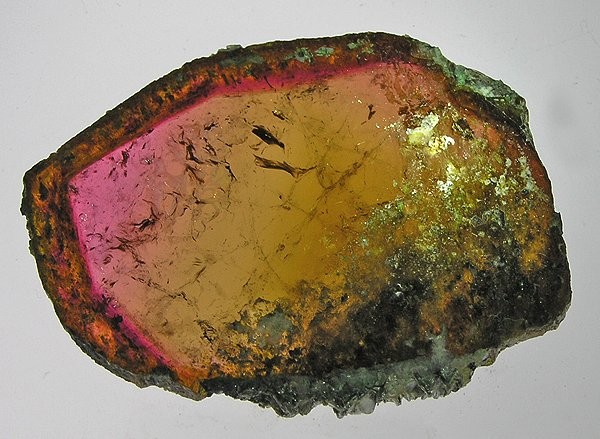 Tourmaline Tourmaline | — | — | — | 1.614–1.666 | 2.82–3.90 | Hexagonal | — |
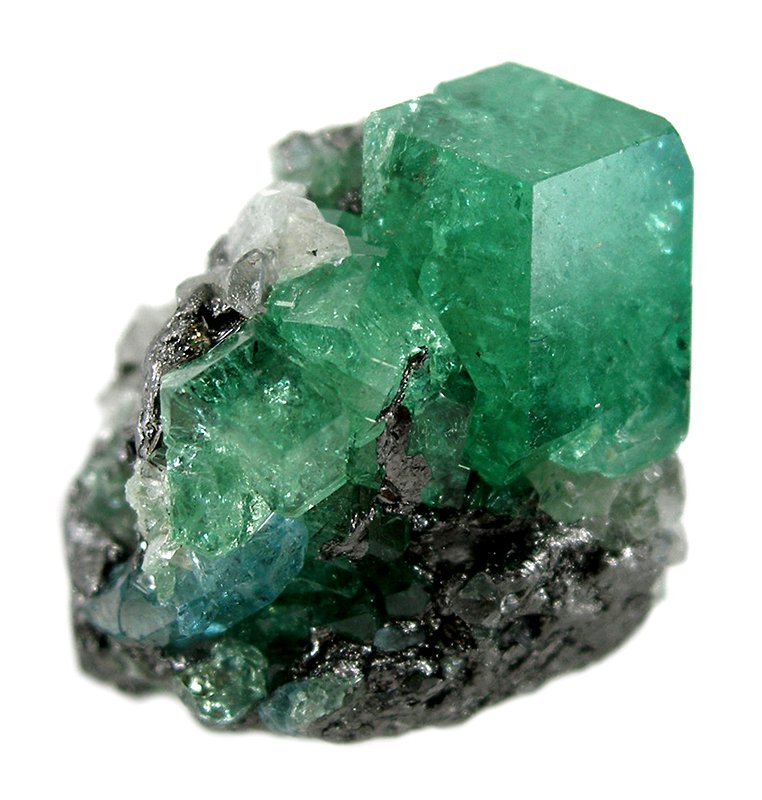 Tsavorite Tsavorite | 6½–7 | — | — | — | 3.594 | Cubic | Good. At 6½–7 it is softer than sapphire but harder than opal or turquoise, an… |
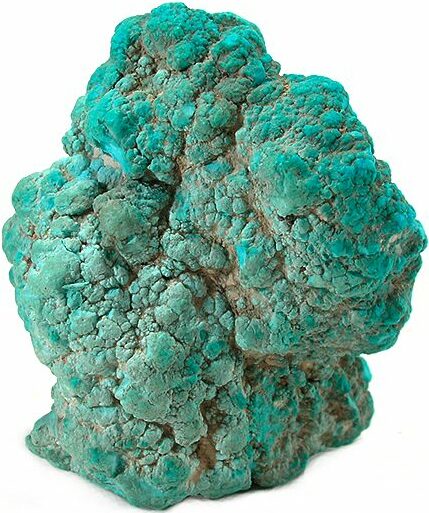 Turquoise Turquoise | 5–6 | — | — | 1.610–1.650 | 2.31–2.84 | Triclinic | — |
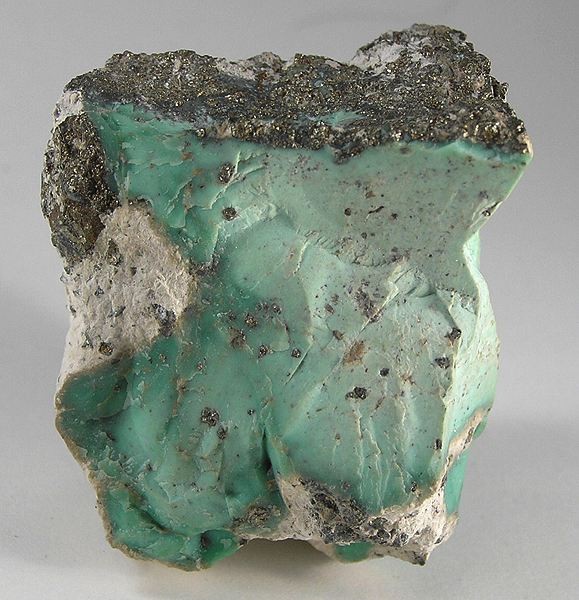 Variscite Variscite | 3½–4½ | — | — | — | 2.2–2.57 | Orthorhombic | Poor for rings. At Mohs 3½–4½ it will scratch in ordinary wear. |
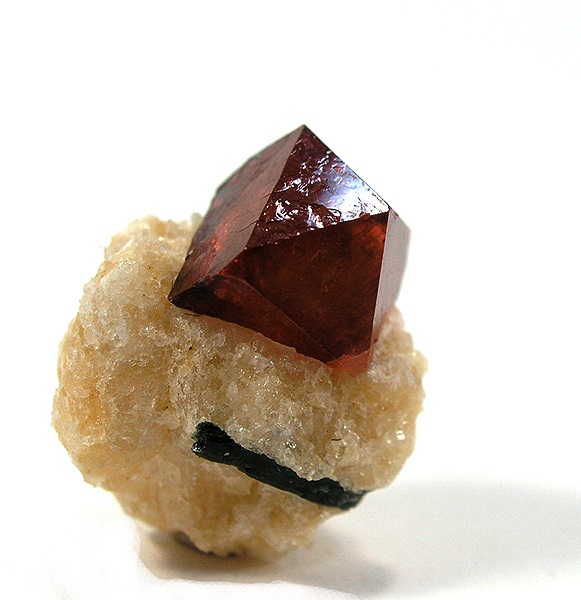 Zircon Zircon | 6½–7½ | — | — | 1.810–2.024 | 3.93–4.73 | Tetragonal | — |
Showing all 72Every figure traces to a named source with a pinpoint locator. Values we could not source are left blank rather than estimated.