Zircon
JewelryWiki Editorial·6 sources·Reviewed 2026-08-04
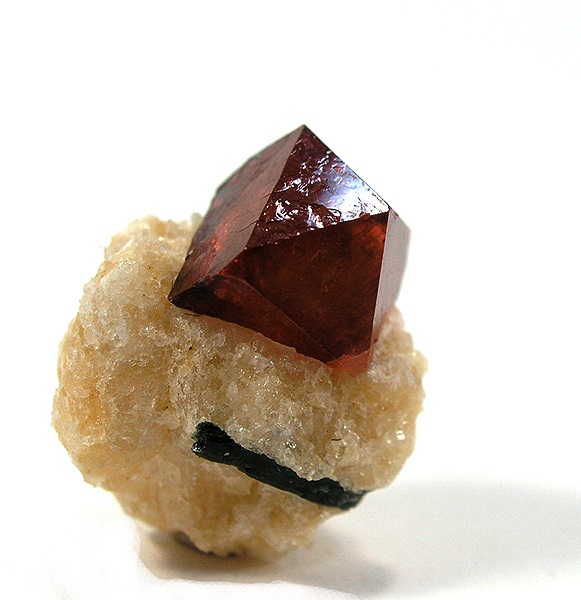
The highest refractive index of any common natural gem except diamond. Not to be confused with cubic zirconia, which is a synthetic and a different material entirely.
Properties
| Property | Value | Authority |
|---|---|---|
| Mohs hardness | 6½–7½ [1] | — |
| Refractive index | 1.810–2.024 [1] | — |
| Specific gravity | 3.93–4.73 [1] | — |
| Chemical formula | ZrSiO4 [6] | — |
| Crystal system | Tetragonal [3] | — |
| Common treatments | Some reddish-brown zircon is heated in a controlled environment to produce more commercially viable colours, including an intense blue. The treatment is considered durable and permanent under normal handling. [5] | — |
| Care cautions | NEVER use an ultrasonic cleaner — GIA names this among the gems susceptible to heat and temperature change, which should be kept out of an ultrasonic REGARDLESS of whether they have been treated. Use warm soapy water or a solution formulated for delicate gems. [4] | — |
| Birthstone month | December — blue zircon is one of three official December stones, with turquoise and tanzanite. [2] | — |
Sources
- International Gem Society — reference charts (Mohs hardness, specific gravity, refractive index) — International Gem Society (IGS reference charts)
- Jewelers of America — Birthstones — Jewelers of America (Jewelers of America, Birthstones)
- Wikipedia — mineral article infoboxes (crystal system) — Wikipedia contributors (Wikipedia mineral infoboxes)
- GIA — Ultrasonic Cleaners for Gems: What You Need to Know — Gemological Institute of America (GIA 4Cs, Ultrasonic Cleaners for Gems)
- GIA — An Introduction to Gem Treatments — Gemological Institute of America (GIA, An Introduction to Gem Treatments (Robert Weldon))
- Handbook of Mineralogy — Mineral Data Publishing / Mineralogical Society of America (Handbook of Mineralogy, Mineral Data Publishing)