Cuts and shapes
Shape is the outline seen from above; cut styleis how the facets are arranged. Two stones of the same shape can look entirely different. And note the third column: GIA issues a cut grade for the round brilliant and nothing else — every other shape is a “fancy shape” with no cut grade at all.
10 entries
All cited
SortedA–Z
| Name | Cut style | Receives a GIA cut grade | Typical facet count | Optical character |
|---|---|---|---|---|
| Asscher cut | Step | No | 58 | Step cut, like the emerald: concentric facets and broad flashes rather than sp… |
| Cushion cut | Brilliant | No | 58 in typical brilliant-style arrangements | Usually brilliant faceting; the rounded corners also make it more durable. |
| Emerald cut | Step | No | 58 — 25 on the crown, 32 on the pavilion, and the culet | Step cut: broad flashes from concentric trapezoidal facets, rather than the sc… |
| Heart cut | Brilliant | No | — | Brilliant faceting; the cleft and lobes govern how it reads face-up. |
| Marquise cut | Brilliant | No | — | Brilliant faceting in an elongated outline. |
| Oval cut | Brilliant | No | — | Brilliant faceting; length-to-width ratio drives how it reads on the hand. |
| Pear cut | Brilliant | No | 56 to 58 depending on the source — trade references disagree | Brilliant faceting, with light behaviour concentrated toward the rounded end. |
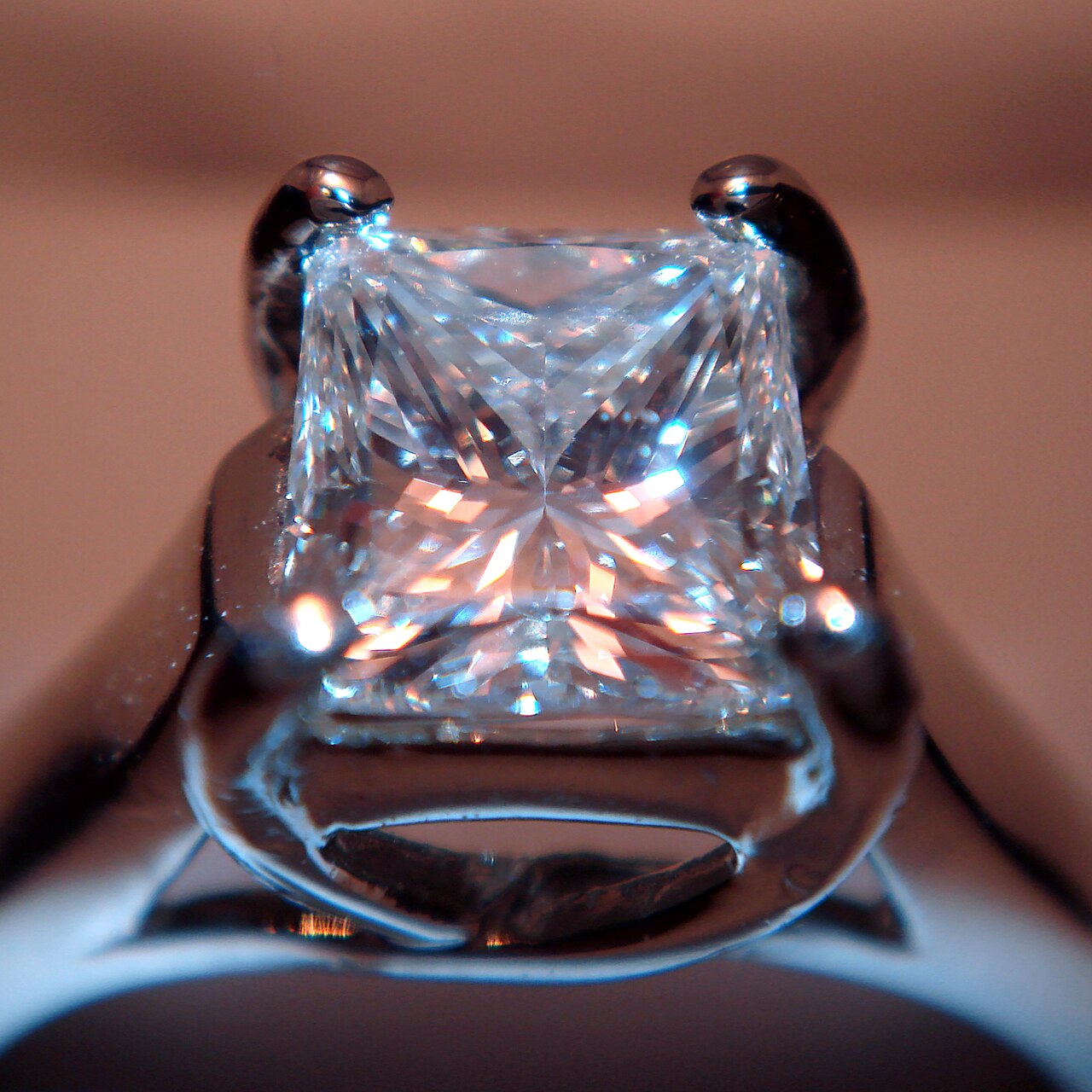 Princess cut Princess cut | Brilliant | No | Around 76 in common trade descriptions | Brilliant faceting: kite-shaped and triangular facets producing brilliance and… |
| Radiant cut | Brilliant | No | Around 70 in common trade descriptions | Brilliant faceting despite the step-cut outline, which is the whole point of t… |
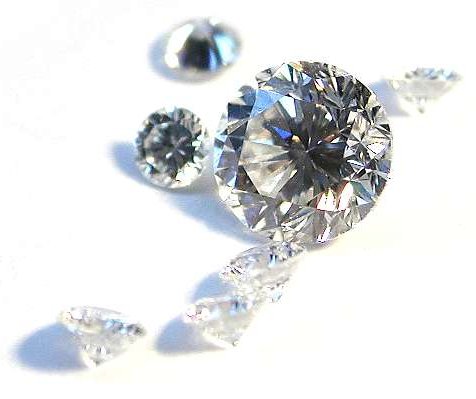 Round brilliant Round brilliant | Brilliant | Yes | 57 or 58 — the 58th being the culet, a tiny flat facet at the base of the pavi… | Assessed on brightness (total internal and external reflection of white light)… |
Showing all 10Every figure traces to a named source with a pinpoint locator. Values we could not source are left blank rather than estimated.